






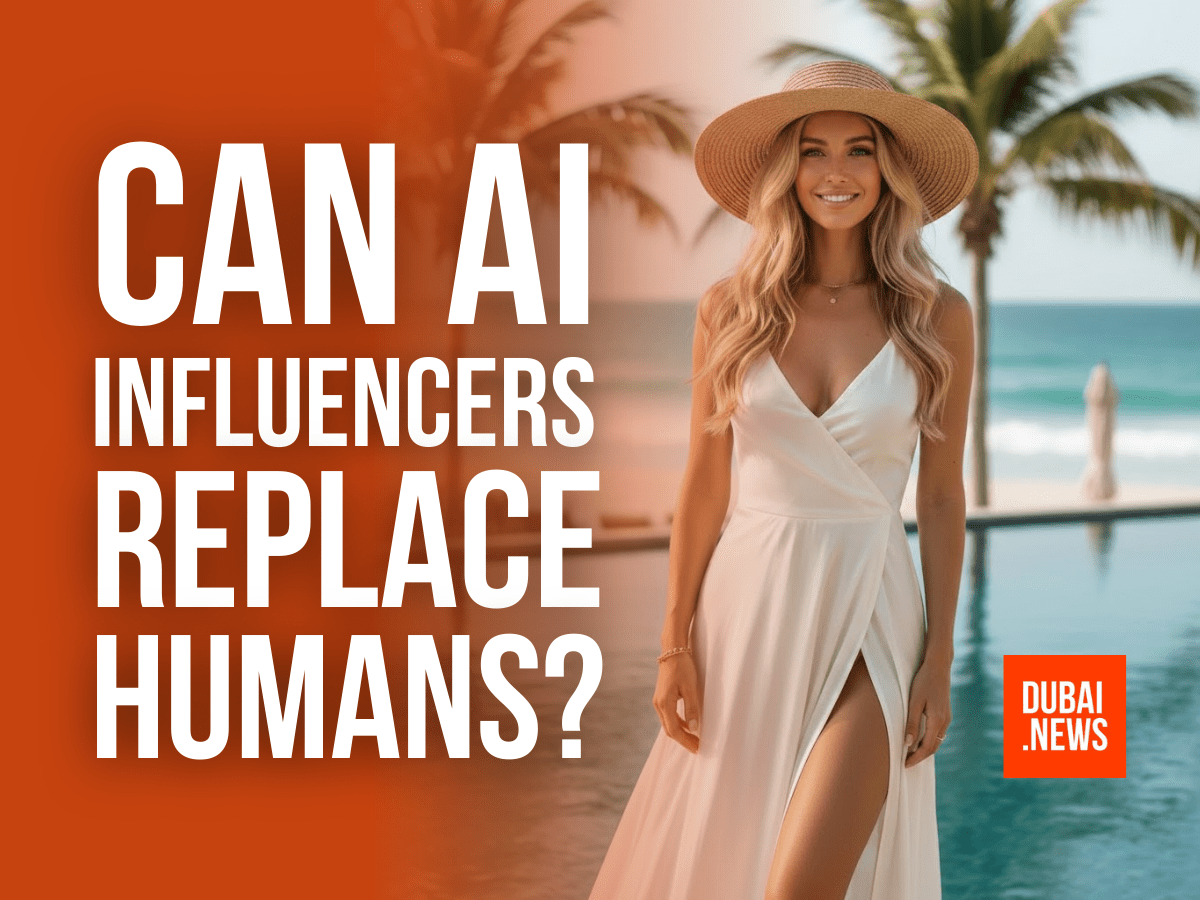
At the 2026 1 Billion Followers Summit in Dubai, a lively panel debate tackled one of the most pressing questions in digital media today: can AI influencers ever replace human creators? Moderated by Sarah Sabbagh, the discussion featured Egyptian content creator Farah El Kordy and Dhairya Patel, representing the virtual influencer Lil Miquela.
Human Connection Through Imperfection
For Farah El Kordy, social media influence is rooted in lived experience. “We connect to growth and imperfection,” she said, emphasising that authenticity comes from being present emotionally, showing vulnerability, and navigating real-life challenges. Unlike virtual avatars, humans experience burnout, fatigue, and personal evolution—elements that foster trust and deep audience engagement.
El Kordy was clear that AI may look visually appealing but lacks the emotional friction that makes human interaction meaningful. “AI influencers are a bit boring,” she admitted, noting that while AI will become more prevalent, it will complement human creators rather than replace them. “The future is human and AI, not human versus AI.”
AI Influencers: Collaboration, Not Automation
Dhairya Patel explained that virtual influencers like Lil Miquela are collaborative projects. “She is not biologically real, but there is a team of humans behind her,” Patel said, likening the process to filmmaking. Writers, stylists, and storytellers embed real emotions into virtual characters, making them publishers of human stories.
From a brand perspective, AI influencers offer unmatched reliability—they don’t burn out, never miss a posting schedule, and maintain a consistent appearance. Patel sees this as a strategic advantage for companies, though he acknowledged some audience skepticism.
A Balanced Future
Both speakers concluded that “takeover” is the wrong framing. Humans bring empathy, unpredictability, and authentic lived context, while AI offers scale, consistency, and brand-safe storytelling. The challenge is not competing with perfection but leveraging technology without losing human insight.
Audiences ultimately seek meaningful connection. Whether content comes from a person or a virtual character matters less than whether it resonates emotionally. As Farah noted, with widespread access to AI tools, the differentiator will be intention, creativity, and the human touch.
The future of social media influence will not belong exclusively to humans or AI. It will belong to those who can balance technology with humanity, creating stories that audiences recognise and relate to.