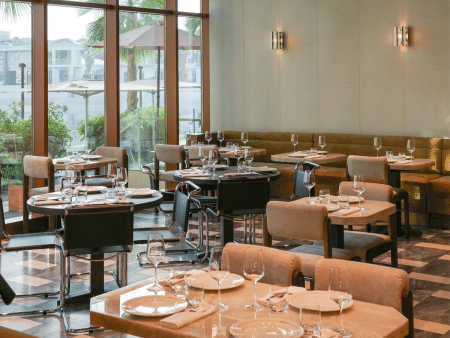






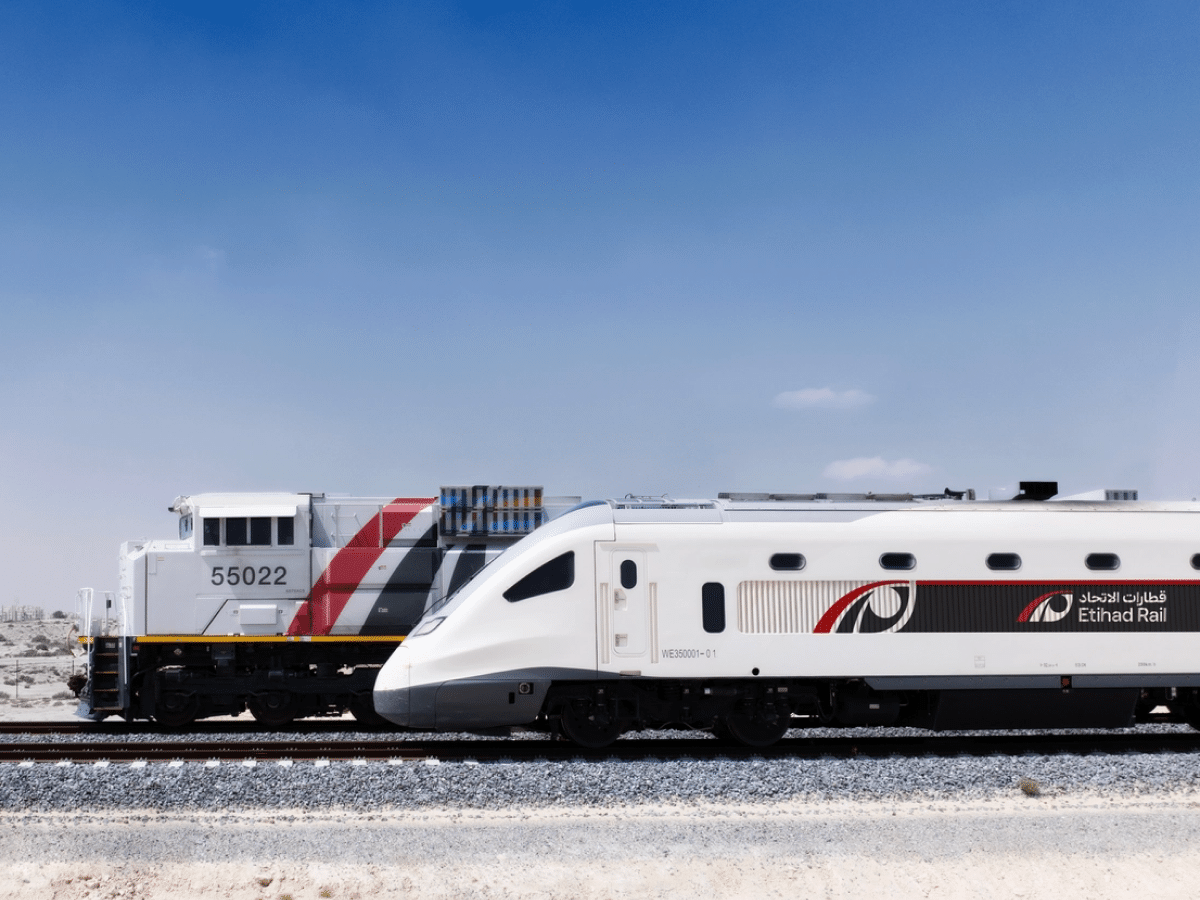
Dubai looks polished at first glance.
What actually keeps everything running sits far from the skyline.
That second layer is where the real story sits. The UAE has spent years putting serious focus on infrastructure tied to energy, logistics, and national security. These aren’t headline projects for visuals. They exist to keep trade active, exports stable, and supply chains uninterrupted even during regional tension.
The Pipeline That Avoids A Global Chokepoint
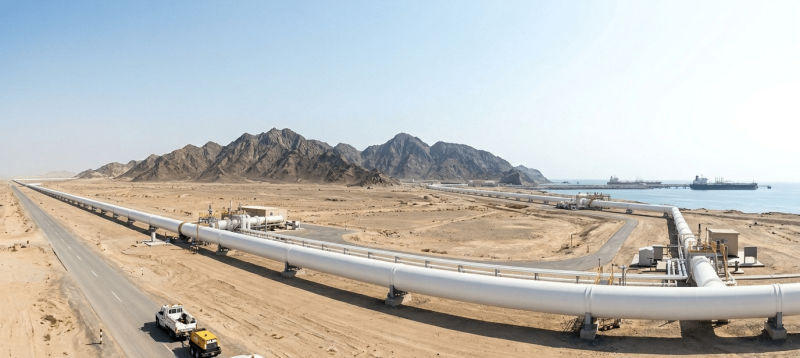
Image: AI-Generated for Illustration Purposes
One of the most important projects in the UAE infrastructure strategy is the Abu Dhabi Crude Oil Pipeline. It runs for about 380 kilometers and connects oil fields directly to Fujairah on the east coast.
This route avoids the Strait of Hormuz, a narrow passage where a significant share of global oil supply passes. That chokepoint has faced repeated geopolitical pressure over the years.
The pipeline has capacity for around 1.8 million barrels per day. This allows exports to continue without relying fully on Hormuz, giving the UAE a direct route to global markets during uncertain periods.
Fujairah Holds A Key Position In Global Energy
Fujairah plays a major role at the end of that pipeline. The emirate has grown into one of the world’s largest oil storage and bunkering hubs.
It handles more than 1.7 million barrels per day and serves as a key refueling and storage point for international shipping. Its location outside the Strait of Hormuz adds another layer of reliability for exports.
This setup has placed Fujairah firmly on the global energy map, with activity that supports both regional and international demand.
Etihad Rail Keeps Trade Moving Nationwide
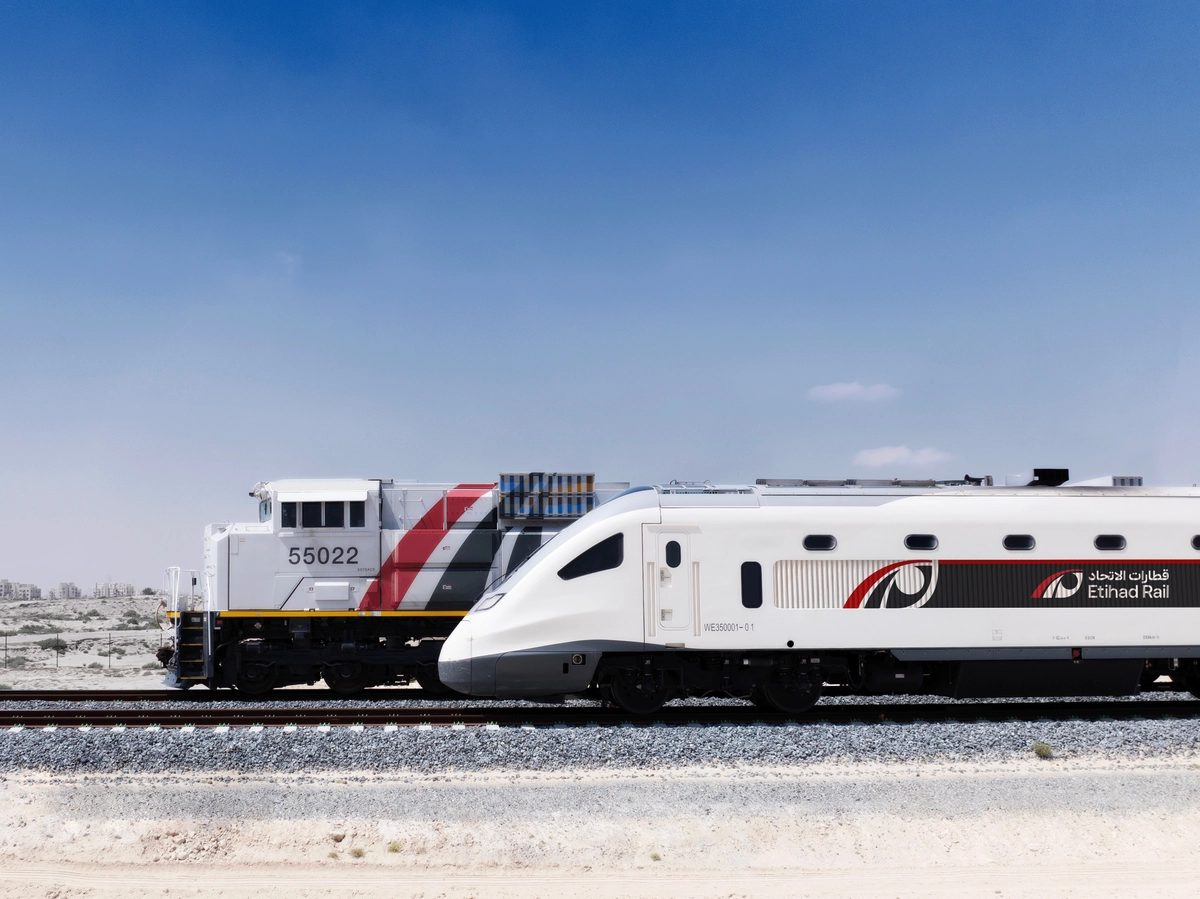
Image: etihadrail/Website
Energy is one side of the story. Goods across the UAE follow a different route through Etihad Rail.
The railway network stretches roughly 900 kilometers, linking industrial zones, ports, and major cities from west to east. Freight services are already active, transporting large volumes of cargo between key locations.
A customs corridor between Khalifa Port and Fujairah adds another layer of efficiency. Goods can travel between ports faster while remaining under customs control, helping businesses move shipments with fewer delays.
A Long-Term Approach To Stability
All of these projects point to a clear direction within the UAE infrastructure strategy. The country has focused heavily on logistics, transport, and energy security as part of its long-term economic plan.
Rail, ports, and pipelines work together to support trade and exports. These investments also support diversification, with logistics and infrastructure playing a central role in the broader economy.
The skyline remains the visual that people associate with Dubai. But the deeper story sits in the infrastructure that keeps everything active behind it.
From pipelines that avoid major pressure points to rail networks that support trade, the UAE has focused on preparation and long-term stability. It’s a strategy design.
Cover Image: etihadrail/Website