




Every year, thousands of people move to or visit the UAE, and for many, their first experience of the country coincides with the Holy Month of Ramadan. If you’re new to the UAE or simply unfamiliar with Ramadan, here’s a straightforward guide to help you understand what the month is about and what to expect.
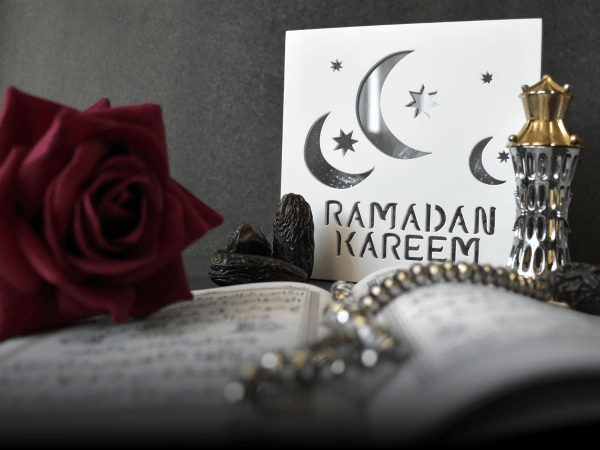
When is Ramadan in 2026?
According to the Emirates Astronomical Society, Ramadan is expected to begin on Thursday, February 19, 2026. The exact start date will be confirmed closer to the time, following the sighting of the crescent moon.
What is Ramadan?
Ramadan is the ninth month of the Islamic calendar and the holiest period of the year for Muslims. During this time, Muslims abstain from eating, drinking, smoking and chewing gum from sunrise to sunset. The month typically lasts 29 or 30 days, depending on the lunar calendar.
Ramadan commemorates the period when the Qur’an was first revealed to the Prophet Mohammed (PBUH). In addition to fasting, Muslims dedicate more time to prayer, reflection and acts of kindness throughout the month.
Why is Ramadan important?
Fasting during Ramadan is one of the five pillars of Islam, which form the foundation of the faith. The month is seen as a time to strengthen one’s relationship with Allah, seek forgiveness, practise self-discipline and show compassion towards others.
Special evening prayers known as Tarawih are performed in mosques, during which sections of the Qur’an are recited each night. By the end of Ramadan, many worshippers complete a full reading of the holy book.
Why do Muslims fast?
Fasting, known as sawm, means more than simply avoiding food and drink. Muslims also aim to refrain from negative behaviour, thoughts and speech. The fast is intended to promote patience, gratitude and empathy for those less fortunate.
Evenings are often social, with families and friends gathering to break the fast together at sunset over iftar, which is an important daily moment during Ramadan.
Does everyone have to fast?
Fasting is obligatory for most adult Muslims, but there are exceptions. Children, the elderly, pregnant or breastfeeding women, and people who are ill are not required to fast. Women also do not fast during their monthly cycle. Any missed fasts are usually made up at a later time.
What about non-Muslims?
Non-Muslims are not expected to fast during Ramadan, but they are encouraged to be respectful of those who are. Modest dress is advised in public spaces, and eating, drinking or smoking in public during daylight hours should be avoided.
Public behaviour should also be more reserved during the month, including keeping music volumes low and avoiding public displays of affection.
Do restaurants and shops stay open?
Many cafés and restaurants across the UAE remain open during Ramadan, although opening hours may change. Some venues operate with reduced daytime hours and become busier after sunset.
Daily life tends to shift later into the evening during Ramadan. Malls often stay open past midnight, and social gatherings commonly take place late at night or in the early hours of the morning.
Common Ramadan terms to know
Iftar is the meal eaten at sunset to break the fast, while suhoor is the pre-dawn meal before fasting begins. The hilal is the crescent moon that signals the start of a new Islamic month, and sunnah refers to the practices and teachings of the Prophet Mohammed (PBUH).
Ramadan do’s and don’ts
During Ramadan, it’s encouraged to embrace the strong sense of community, accept food or drink when offered at iftar, and be mindful that working hours are often reduced across the UAE.
At the same time, people should avoid eating or drinking in public during daylight hours, dress immodestly, play loud music or engage in arguments. Ramadan is widely regarded as a month of peace, patience and reflection.
Useful phrases
“Ramadan Kareem” is a common greeting meaning “Blessed Ramadan,” while “Siyam Kareem” means “Blessed fasting.” “Eid Mubarak” is used later, during Eid Al Fitr, which marks the end of Ramadan.
For many expats, Ramadan is one of the most memorable times to be in the UAE. From late-night gatherings and community spirit to cultural traditions, it offers a unique opportunity to experience a deeper side of life in the country.
 Afrikaans
 Shqip
Shqip አማርኛ
አማርኛ العربية
 Հայերեն
 Azerbaycan
 Euskara
 Беларуская
 বাংলা
বাংলা Bosanski
 Български
 Catalan
 Cebuano
 Chichewa
 中文(简体)
 中文(繁體)
 Corsu
Corsu Hrvatski
 Čeština
 Dansk
Dansk Nederlands
 English
 Esperanto
 Eesti
Eesti Filipino
 Suomi
Suomi Français
 Frysk
Frysk Galego
 ქართული
 Deutsch
 Ελληνικά
 ગુજરાતી
 Kreyol
 Hausa
Hausa Hawaiʻi
 עברית
עברית हिन्दी
 Hmong
Hmong Magyar
 Íslenska
 Igbo
Igbo Indonesia
 Gaeilge
 Italiano
 日本語
日本語 Basa Jawa
 ಕನ್ನಡ
ಕನ್ನಡ Қазақ
Қазақ ខ្មែរ
ខ្មែរ 한국어
한국어 Kurdî
Kurdî Кыргыз
 ລາວ
ລາວ Latin
Latin Latviešu
 Lietuvių
 Lëtzebuergesch
 Македонски
 Malagasy
 Melayu
 മലയാളം
 Malti
Malti Māori
Māori मराठी
मराठी Монгол
 မြန်မာ
 नेपाली
 Norsk
Norsk پښتو
پښتو فارسی
فارسی Polski
 Português
 ਪੰਜਾਬੀ
 Română
 Русский
 Samoa
Samoa Gàidhlig
 Српски
 Sesotho
 Shona
Shona سنڌي
سنڌي සිංහල
සිංහල Slovenčina
 Slovenščina
 Soomaali
 Español
 Sunda
Sunda Kiswahili
 Svenska
 Тоҷикӣ
 தமிழ்
தமிழ் తెలుగు
 ไทย
ไทย Türkçe
 Українська
 اردو
اردو Oʻzbek
 Tiếng Việt
 Cymraeg
 isiXhosa
 יידיש
יידיש Yorùbá
 isiZulu