



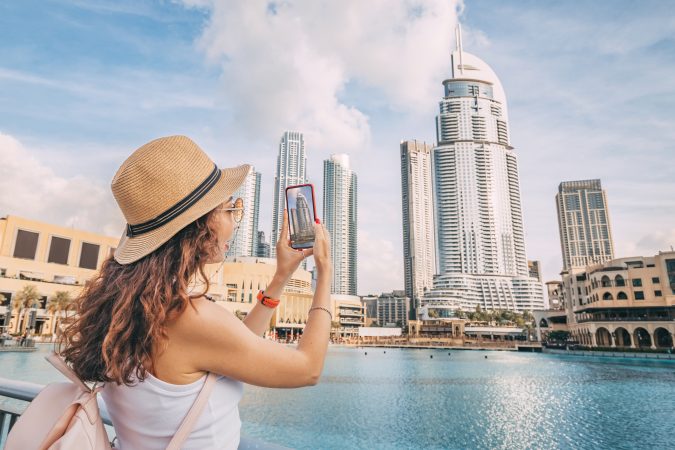
Travel in 2026 looks expensive on paper, yet bookings say otherwise. New global research shows Millennials and Gen Z continuing to spend confidently on trips, even while cutting back elsewhere. Flights, hotels, and experiences remain non-negotiable, with Dubai holding steady as a reference point for how younger travelers plan, book, and share their journeys. The focus sits on purpose, pacing, and personal value, not material ownership or long-term purchases.
Travel Budgets Stay Locked In
Despite ongoing conversations about financial pressure, 88 percent of travelers say they will keep or increase travel spending in 2026, according to research released by Klook. The shift is visible in how priorities are set. Large purchases such as property or luxury goods no longer sit at the center of planning for many young adults. Travel experiences take that space instead.
In Asia Pacific, Gen Z shows a 50 percent intention increase tied to travel spending, signaling sustained momentum for regional and outbound trips. Dubai continues to benefit from this trend due to flight connectivity, short-stay flexibility, and appeal for stopover travel tied to multi-destination planning.
Secondary Destinations Get the Spotlight
Well-known cities remain part of travel itineraries, yet interest now extends further. Travelers focus on locations that support local culture, smaller crowds, and daily life experiences.
In Japan, bookings now frequently include Yokohama, Hiroshima, and Nagoya alongside Tokyo. Regional destinations gain attention because travelers want time outside traditional tourist zones. Similar patterns appear in the Middle East and nearby regions. Sharjah and Hurghada continue gaining attention, supported by cultural programming and coastal access. Cairns in Australia and Baix Llobregat in Europe also appear frequently in itinerary planning tied to extended stays.
Klook’s research shows 42 percent of travelers select destinations for cultural authenticity, while 39 percent prioritize discovering lesser-known locations. These preferences influence how trips are structured from the start.
Social Feeds and AI Lead Planning
Trip planning rarely starts with search engines alone. Eighty percent of travelers say social media influences booking decisions, driven by video content, creator posts, and saved recommendations. From there, AI tools handle planning logistics.
The same research reports 91 percent of travelers using AI during trip preparation, covering scheduling, translation, budgeting, and activity planning. The UAE stands out within this behavior. Sixty-four percent of UAE travelers use AI for travel inspiration, placing Dubai among the most digitally active travel planning markets.
This pattern supports faster decisions and shorter booking windows while keeping itineraries structured and efficient.
Wellness and Crowd Control Matter
Avoiding congestion ranks high for 2026 travelers. Research shows active efforts to bypass crowded locations and acceptance of destination fees tied to visitor management. Wellness travel also holds strong appeal. Fifty-eight percent of high-income travelers plan trips focused on health or wellness, while half of Gen Z travelers include wellness trips in their upcoming plans. Dubai’s spa resorts, desert retreats, and fitness-focused hospitality align naturally with this preference
set.
Travel in 2026 remains deliberate and priority-driven. Younger travelers keep budgets intact by choosing experiences that deliver cultural access, planning efficiency, and personal value. Dubai stays relevant within this landscape through connectivity, digital adoption, and variety that supports short stays and
extended itineraries alike. The data confirms one thing clearly. Travel continues, plans stay active, and the booking mindset stays confident.