







Dubai is heading into what could be its busiest winter tourism season on record, with millions of travellers flying in for sunshine, shopping, outdoor attractions and global events.
According to Dubai’s Department of Economy and Tourism, the emirate welcomed 11.17 million international visitors between January and July 2025, underlining its position as one of the world’s most in-demand destinations. The city was recently ranked first in the region and second globally among top winter travel hotspots, reflecting its growing appeal to leisure travellers.
While Dubai is modern, welcoming and highly international, visitors are expected to respect local laws and cultural norms. The UAE also boasts one of the lowest crime rates globally, making it one of the safest places to visit — as long as rules are followed.
Here are five essential things tourists should know before arriving in Dubai.
1. Dress Code: What’s Acceptable in Public Places

Dubai is a cosmopolitan city, and most everyday clothing styles are widely accepted. Visitors generally dress as they would in any major global city.
Swimwear such as bikinis, swimsuits and trunks is allowed at beaches, hotel pools, waterparks and resorts, where changing rooms are provided.
However, in shopping malls, family attractions, public parks and traditional areas, modest dress is encouraged. Many malls display courtesy dress guidelines at entrances. Clothing that is overly revealing may attract attention or requests to cover up — for both men and women.
When visiting mosques or historic neighbourhoods, shoulders, arms and legs should be covered. Women are required to wear a headscarf inside mosques, and appropriate coverings are often provided on-site.
2. Public Behaviour and Social Etiquette

Dubai values respectful public behaviour. Simple gestures of affection, such as holding hands or a brief hug, are acceptable.
However, excessive public displays of affection are discouraged, especially in family-oriented spaces such as malls, beaches and restaurants. Loud arguments, aggressive behaviour or causing public disturbance can also lead to fines or legal action.
Being mindful of families, residents and cultural sensitivities helps ensure a comfortable experience for everyone.
3. Alcohol Laws: Where and How You Can Drink

Alcohol is legal in Dubai but strictly regulated.
It can only be consumed in licensed venues, such as hotels, bars, clubs and approved restaurants. The legal drinking age is 21.
Public intoxication, disorderly behaviour and drink-driving are strictly prohibited, with zero tolerance enforced. Penalties can be severe, including fines, jail time and deportation.
To purchase and consume alcohol in private settings (such as at home), visitors must obtain an alcohol licence. Tourists can apply easily using a passport, while residents use their Emirates ID. The process is free and available online or at licensed retailers.
4. Photography and Privacy Laws You Must Follow
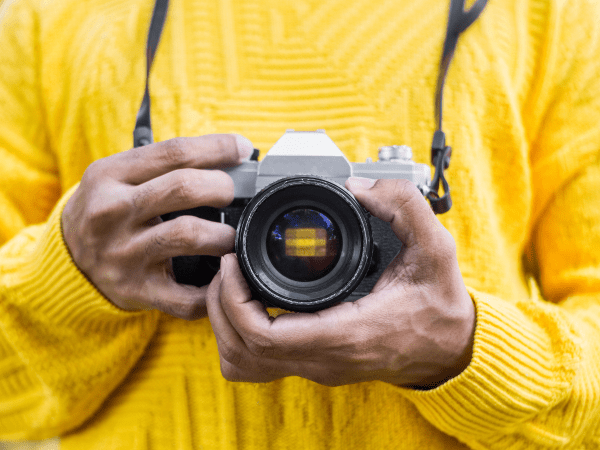
Dubai is famous for its skyline and landmarks, but visitors must be careful with photography.
Taking photos or videos of people without their consent — and posting them online — is illegal under UAE privacy and cybercrime laws. This includes strangers, families, and even minor disputes captured on camera.
Recent legal cases have resulted in hefty fines and compensation payments for violating privacy laws. Penalties can include up to six months in jail, fines ranging from AED 150,000 to AED 500,000, or both.
Tourists are advised to photograph landmarks and scenery only, and to always ask permission before capturing individuals.
5. Bringing Medication Into Dubai: What You Need to Know

Most common medications are available at Dubai pharmacies, but some prescription drugs are restricted or prohibited.
The UAE Ministry of Health and Prevention (MOHAP) publishes official lists of controlled and banned medicines. Travellers carrying controlled medication must have:
-
A valid doctor’s prescription
-
A recent medical report
-
Official documents from the issuing healthcare provider
Medicines can be brought in for a maximum of three months.
MOHAP also offers an online permit system, which is optional but strongly recommended. Applying in advance helps avoid delays or confiscation at the airport.
Final Word for Visitors
Dubai is open, diverse and incredibly visitor-friendly, but it also places strong importance on respect, privacy and public order. Understanding these basic rules before arriving will help ensure a smooth, enjoyable and stress-free stay.
With world-class attractions, global events and warm winter weather, Dubai remains one of the world’s most exciting destinations — especially for travellers who take the time to understand how the city works.
Images via Canva