




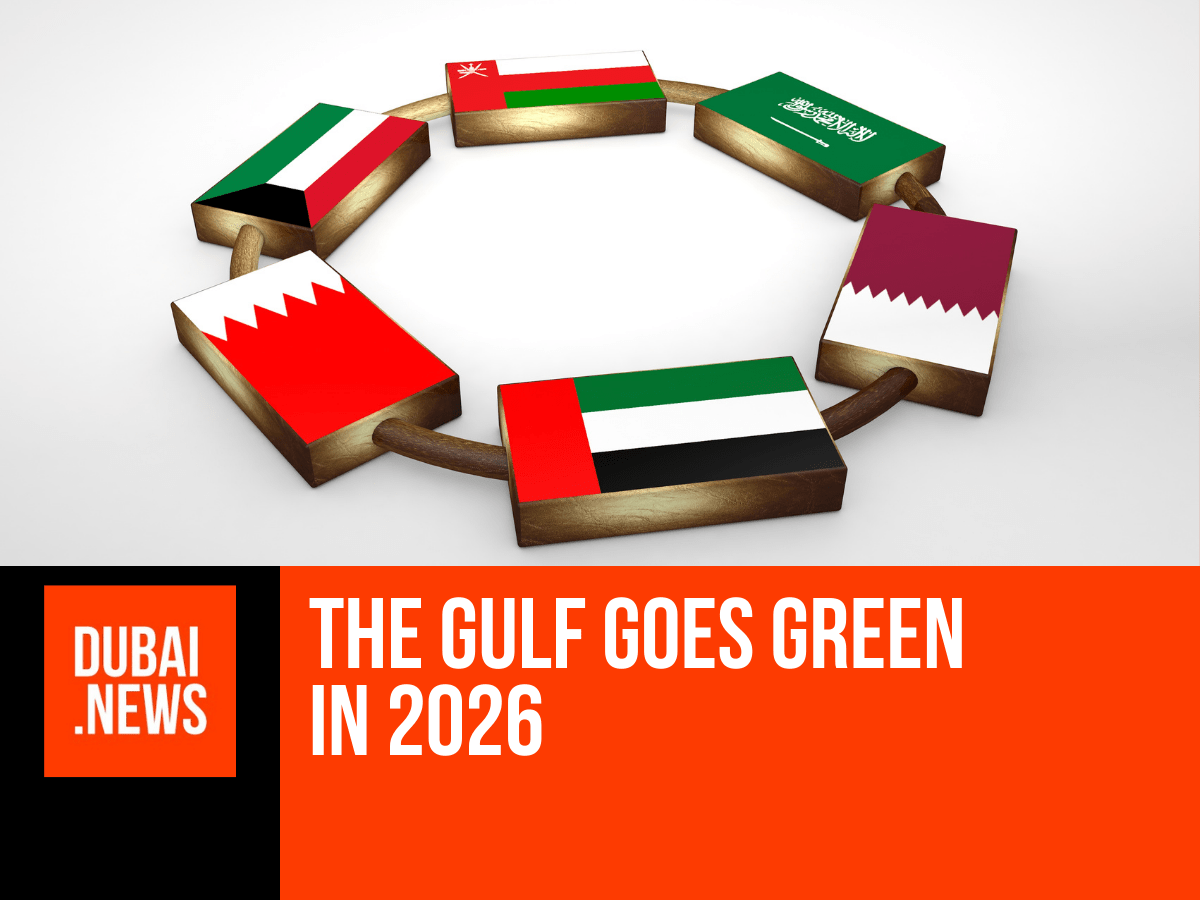
As sustainability becomes a global priority, Saudi Arabia and its Gulf partners are taking coordinated steps to transform tourism across the GCC in 2026. Together with Oman, Qatar, the UAE, Kuwait, and Bahrain, the region is rolling out green tourism initiatives aimed at reducing environmental impact while enhancing visitor experiences.
These efforts focus on clean energy, smart infrastructure, conservation, and responsible travel, positioning the GCC as a rising leader in sustainable tourism.
Unified GCC Tourism Visa to Support Low-Impact Travel
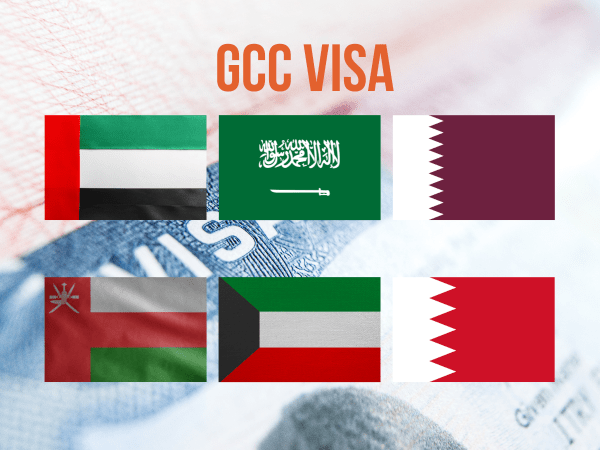
One of the most significant developments is the upcoming unified GCC tourism visa, which will allow travelers to visit all six GCC countries using a single visa. Beyond convenience, the initiative is designed to support sustainable regional travel by reducing repeated entry procedures and unnecessary short-haul flights.
By encouraging longer, multi-country trips instead of frequent single-destination visits, the visa is expected to lower overall travel emissions while strengthening regional tourism ties.
Green Tourism Frameworks and Sustainable Investments
GCC governments are investing heavily in green tourism frameworks that balance economic growth with environmental responsibility. These include energy-efficient buildings, sustainable transport systems, water conservation strategies, and environmentally responsible tourism planning.
The goal is to ensure that future tourism growth aligns with long-term environmental protection across the region.
Protected Natural Areas and Nature-Based Tourism
In 2026, several GCC countries will expand eco-focused protected areas, promoting responsible access to deserts, coastlines, marine ecosystems, and wildlife reserves. These destinations aim to offer immersive nature experiences while limiting environmental disruption.
Eco-trails, conservation zones, and biodiversity reserves are being positioned as key tourism attractions across the Gulf.
Green Hospitality and Eco-Conscious Resorts
The hospitality sector is playing a major role in the green transition. Hotels and resorts across the GCC are adopting renewable energy systems, waste reduction programs, and water-saving technologies.
In the UAE, initiatives such as Dubai’s sustainability-focused tourism programs are encouraging visitors and businesses to adopt eco-friendly practices, particularly in luxury hospitality.
Circular Economy and Waste Reduction Initiatives
Waste reduction is a core pillar of green tourism plans. GCC destinations are increasingly banning single-use plastics, expanding recycling systems, and improving waste management at high-traffic tourist locations.
Luxury resorts, cultural landmarks, and entertainment hubs are adopting circular economy principles to minimize waste and reuse resources efficiently.
Green Financing for Eco-Tourism Projects
To support sustainable development, GCC countries are exploring green financing tools, including green bonds and Islamic sukuk. These funds are being directed toward renewable energy infrastructure, conservation projects, and environmentally responsible tourism developments.
Green financing ensures tourism growth does not come at the cost of environmental degradation.
Renewable Energy Integration at Tourist Sites
Solar power, electric transport, and clean energy systems are becoming standard at many tourist destinations. In 2026, hotels, resorts, and attractions across the GCC will increasingly rely on renewable energy to reduce carbon footprints.
Electric vehicles and clean public transport are also being expanded to support sustainable mobility for visitors.
Smart Cities Driving Sustainable Tourism
Cities such as Dubai, Riyadh, and Doha are leveraging smart technologies to optimize energy use, manage crowd flow, and reduce resource consumption. Data-driven infrastructure is helping improve both environmental performance and visitor experience.
Smart city development is becoming a key tool for sustainable tourism management.
Low-Impact Cultural and Heritage Tourism
Instead of mass tourism, the GCC is promoting authentic cultural experiences that support local communities and preserve heritage. Smaller group travel, heritage-based itineraries, and locally guided experiences are being encouraged to reduce environmental pressure.
This shift supports both cultural preservation and sustainable economic growth.
Regional Cooperation to Promote Green Travel Awareness
GCC countries are working together on regional campaigns to promote responsible travel habits and environmental awareness. These initiatives aim to educate visitors on sustainable behavior while positioning the Gulf as a global green tourism destination.
Through collaboration, the GCC is shaping a long-term vision for environmentally responsible tourism.