





Dubai is preparing for one of its biggest financial transformations yet. By the end of 2026, the emirate aims to make 90 percent of all payments cashless, as part of the Dubai Cashless Strategy.
For the millions of tourists who visit the city each year, this shift could subtly but significantly change how you plan, budget, and pay during your trip. While cash won’t disappear overnight, travellers may need to think ahead to avoid unexpected costs or inconvenience.
Here’s what tourists should know before arriving in a rapidly cashless Dubai.
1) Cashless Doesn’t Mean Everything Is Free
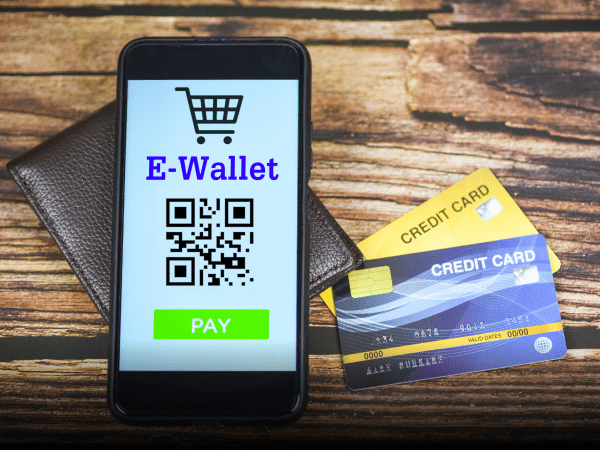
The term “cashless” can be misleading. Dubai is not abandoning money — it is changing how money moves.
Instead of notes and coins, payments will increasingly be made via credit cards, debit cards, mobile wallets, and banking apps. Restaurants, taxis, hotels, attractions, and even government services are all being encouraged to prioritise digital payments.
Dubai Finance is also exploring AI-powered payment systems, biometric verification, and advanced contactless technologies, meaning tourists may encounter new ways to pay that go beyond traditional card terminals.
In short, you’ll still pay for everything — just digitally.
2) Paying for Visas Could Look Different
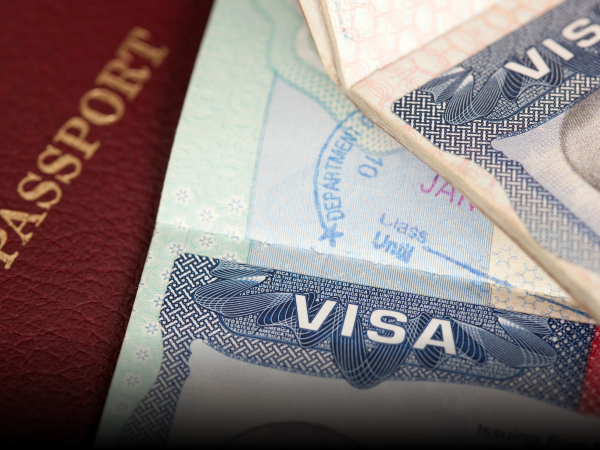
One of the biggest changes for visitors may come before they even arrive.
As part of the cashless push, the General Directorate of Residency and Foreigners Affairs (GDRFA) Dubai has signed agreements to expand its digital payment ecosystem. This signals a move away from cash-based payments for immigration and visa-related services.
For tourists, this could mean:
-
Visa fees paid entirely online
-
Fewer cash payment options at immigration counters
-
Greater reliance on cards or approved digital platforms
While the visa process itself isn’t expected to become more complicated, how you pay for it may change, making it essential to have a working international card.
3) Foreign Transaction Fees Can Add Up
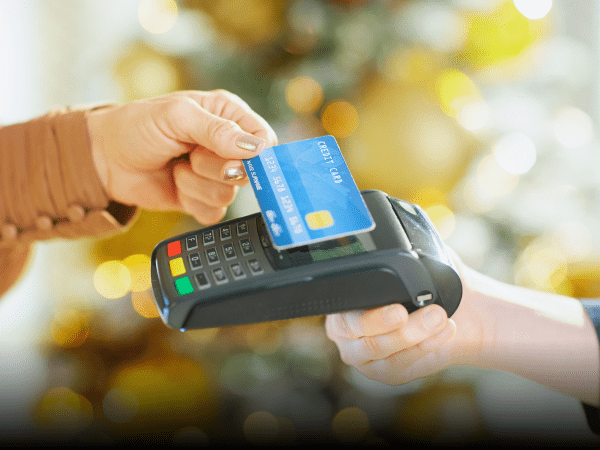
For tourists, convenience often comes at a cost.
Using an overseas debit or credit card in Dubai typically incurs foreign transaction fees, usually ranging between 2 and 3 percent per purchase. While this may seem minor, it can add up quickly when paying for hotels, shopping, dining, and attractions.
Large purchases at Dubai’s malls or luxury venues can significantly increase these fees.
To keep costs down, travellers may want to:
-
Use travel-friendly cards with low or zero FX fees
-
Consider multi-currency apps or prepaid travel cards
-
Check their bank’s overseas fee structure before departure
Planning ahead could save more money than relying on last-minute cash exchanges.
4) Tipping Will Become More Digital

Tipping in Dubai has always been optional, but the move away from cash will change how it works.
Without notes or coins, tipping will increasingly happen through:
-
In-app tipping (for taxis, delivery, and ride-hailing services)
-
Card payment prompts at restaurants and hotels
Apps like Careem already allow users to tip directly within the app, with confirmation that 100 percent of the tip goes to the worker.
Tourists should be mindful to check where tips are directed, especially when adding gratuity during card payments, to ensure it reaches the intended recipient.
5) Cash Will Still Work — For Now

Despite the ambitious targets, Dubai won’t become cashless overnight.
Notes and coins remain legal tender in the UAE, and most businesses will still accept cash during the transition period. Small shops, taxis, and independent vendors may continue to rely on cash payments, especially in older districts.
So if you arrive with dirhams in your wallet, you won’t be stuck — at least not yet.
However, visitors should expect gentle nudges toward digital payments, with some services preferring or prioritising cashless options.
6) Emirates and flydubai Are Preparing Visitors Early
Dubai’s two major airlines, Emirates and flydubai, are playing a key role in helping tourists adapt.
The airlines are working with Dubai Finance on initiatives that:
-
Promote awareness of Dubai’s cashless ecosystem
-
Encourage travellers to prepare before arrival
-
Offer incentives for adopting digital payments
While flights are already largely cashless, the goal is to ensure visitors start planning for digital payments from the moment they book their ticket, not after they land.
This could include information campaigns, bundled payment solutions, and easier access to contactless options for tourists.
The Bottom Line
Dubai’s cashless future is designed to make payments faster, safer, and more efficient, but for tourists, preparation is key. Having the right cards, understanding fees, and knowing how tipping works will help ensure a smooth trip.
Cash won’t vanish immediately — but in 2026, being digitally ready will make travelling in Dubai far easier.