



Listen to this article with AI
What To Know
- Architectural Digest Middle East coverage signals that the city’s design language sets the stage for a rising generation of creators and photographers who view architecture as a central part of their aesthetic identity.
- This positions Dubai as a city where the skyline itself operates as an open air studio that attracts Gen Z travelers seeking design driven travel routes.
- Architectural Digest Middle East showcases buildings that double as fashion backdrops which fuels a new travel wave built on design and visuals.
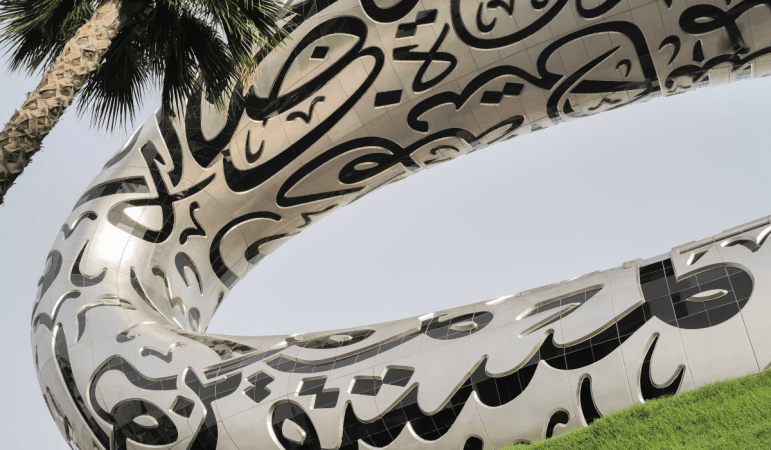 Architectural Digest Middle East showcases buildings that double as fashion backdrops which fuels a new travel wave built on design and visuals
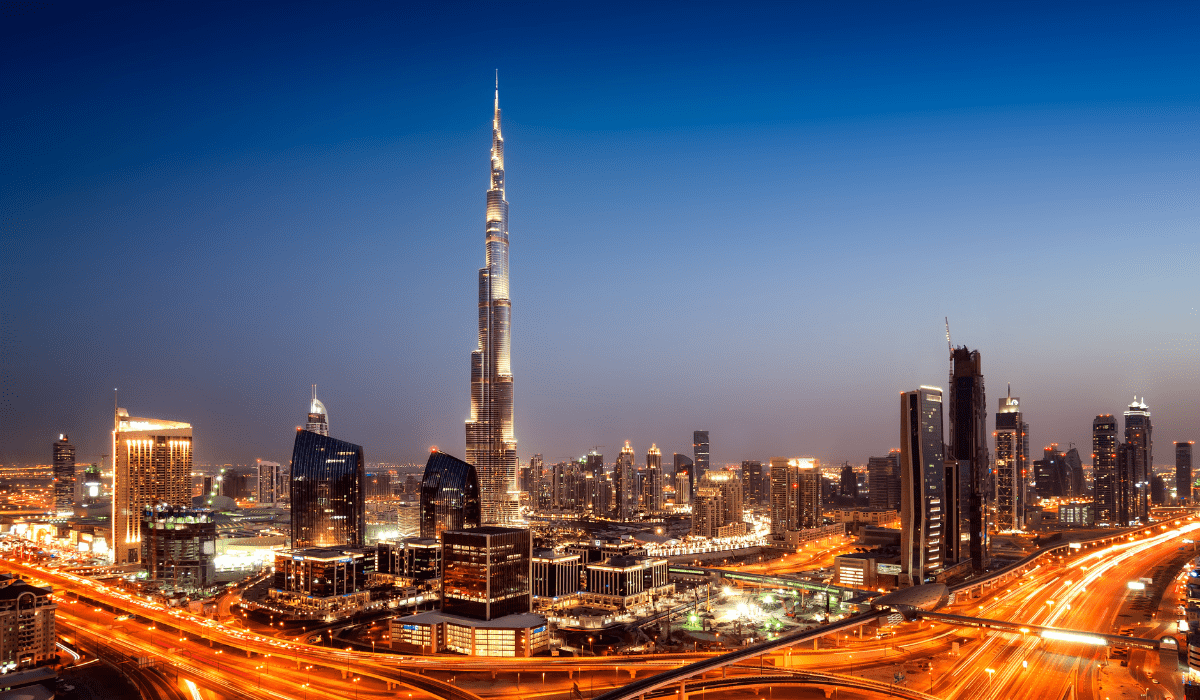
Architectural Digest Middle East highlights Dubai’s striking architecture as a driving force in global visual culture. The publication documents a skyline defined by sculptural towers, futuristic cultural sites, and design heavy landmarks that draw photographers, influencers, and stylists. These structures carry strong global recognition and hold visual energy that suits editorial shoots, fashion storytelling, and cinematic videos. This positions Dubai as a city where the skyline itself operates as an open air studio that attracts Gen Z travelers seeking design driven travel routes.
Architectural Digest Middle East identifies multiple structures that shape the city’s architectural identity. These include towers with fluid lines, museums with bold shapes, and districts crafted with modern design language. These landmarks inspire creators who value distinctive silhouettes. The publication emphasizes how these buildings influence global design conversations which strengthens Dubai’s appeal for visitors driven by fashion and photography.
Design Landmarks Become Fashion Stages
Architectural Digest Middle East features iconic spots such as the Museum of the Future and towers that dominate the skyline with sculptural forms. These buildings photograph with dramatic precision which makes them ideal for editorials and fashion shoots. Stylists and photographers use the curves, reflections, and lighting patterns across these structures to build visually striking narratives. The magazine reports that global design communities track Dubai’s architecture as a source of inspiration which explains why creators visit these locations in growing numbers.
This atmosphere excites Gen Z travelers who follow fashion creators and want identical backdrops for their own content. Architectural Digest Middle East coverage reinforces this trend by documenting the city’s rise as a visual playground where design and travel merge seamlessly.
Districts With Cinematic Texture Shape Travel Itineraries
The publication points out districts filled with design focused elements that attract photographers and influencers. Waterfront zones, modern plazas, and mixed use developments incorporate architectural features that create layered compositions. These spaces appear repeatedly in fashion shoots featured by Architectural Digest Middle East which elevates their global visibility.
Travelers study these visuals and build itineraries around the same locations. They plan sessions across bridges, reflective surfaces, geometric walkways, and skyline facing terraces. Architectural Digest Middle East coverage helps position these districts as essential stops for anyone seeking high impact content and cinematic travel experiences.
Creators Drive Architectural Visibility Worldwide
Architectural Digest Middle East notes how Dubai’s architecture gains influence through creator content that circulates globally. Influencers shoot transitions, outfit reveals, and editorial inspired clips in front of these structures which triggers travel enthusiasm among viewers. The magazine highlights the cultural significance of this cycle as architecture shapes style storytelling across regions.
This synergy places Dubai inside global trend cycles where fashion, travel, and architecture operate together. Architectural Digest Middle East coverage signals that the city’s design language sets the stage for a rising generation of creators and photographers who view architecture as a central part of their aesthetic identity.
Conclusion
Architectural Digest Middle East presents a clear view of Dubai as a city where architecture drives global visual culture. Sculptural towers, futuristic museums, and design rich districts create natural stages for fashion, editorial shoots, and creator content. This architectural identity shapes travel decisions for Gen Z audiences who seek cities with strong visual energy and design heavy backdrops. Dubai’s skyline continues to attract photographers, influencers, and stylists who treat the city as a living editorial set with global reach.
