






Listen to this article with AI
Two major developments with direct implications for mobility, hiring and travel were highlighted in Gulf News’ weekend digest on January 18, 2026, underscoring the UAE’s continued push toward global connectivity and paperless government services.
The updates cover passport power rankings and a new automatic degree recognition system, both of which are expected to significantly reduce friction for employers, graduates and internationally mobile professionals.
UAE passport retains top-10 global ranking
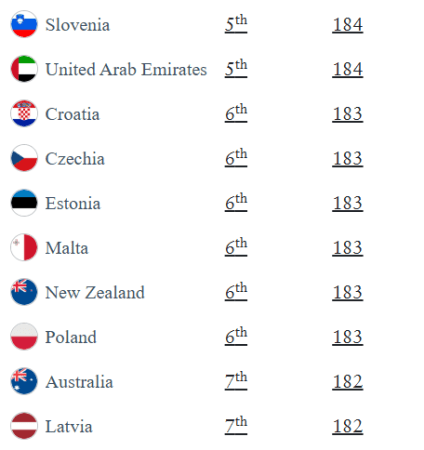
Image: henleyglobal/Website;screengrab
The latest update to the Henley Passport Index confirms that the UAE passport remains within the world’s top 10, offering visa-free or visa-on-arrival access to 184 destinations.
The reshuffle also brought notable gains for South Asian passports, with India rising to 80th place and Pakistan moving up to 98th. These improvements are particularly relevant for multinational employers and dual-nationality professionals operating across the GCC, as they may reduce visa lead times for short-term business travel and regional assignments.
Mobility specialists say the updated rankings could prompt companies to revisit travel policies and planning frameworks for 2026.
UAE launches automatic degree recognition system
In a parallel move toward digital efficiency, the Ministry of Higher Education and Scientific Research (MoHESR) has activated automatic degree recognition for graduates from 34 UAE-based universities.
Under the new system, graduates no longer need to submit paper attestations when applying for employment visas or postgraduate study. Instead, they receive a QR-coded e-certificate, which is shared directly by MoHESR with the Ministry of Human Resources and Emiratisation (MoHRE) and immigration platforms.
Officials say the system can cut onboarding timelines by up to six weeks, significantly speeding up hiring processes. Since its soft launch on January 14, more than 25,000 graduates have already benefited.
What employers need to know
While the removal of embassy stamping and typing centre visits reduces costs, employers are advised to update HR checklists to ensure the new e-certificate reference number is captured during onboarding.
The move aligns with the Federal Authority for Identity, Citizenship, Customs and Port Security’s “Zero Bureaucracy” initiative, signalling a broader shift toward fully paperless visa and residency files.
Implications for global mobility planning
For global and regional organisations, the passport index update and degree recognition reform together point to a faster, more flexible mobility environment in the UAE.
Stronger passport access for UAE nationals supports short-notice international travel, while rising South Asian rankings may ease movement within the GCC. Mobility managers are encouraged to refresh travel dashboards and compliance frameworks to reflect the 2026 passport index data.
What’s next
Authorities expect Phase 2 of the automatic degree recognition programme later this year, extending coverage to Emirati scholarship students graduating abroad. The expansion could further streamline return-to-UAE hiring and reduce reliance on temporary assignment visas.
As government processes continue to digitise, mobility experts expect faster hiring cycles, improved compliance, and reduced administrative overhead across the UAE’s labour and immigration systems