



What To Know
- And as Ramadan continues, these tents remain one of the defining experiences of the season in the UAE.
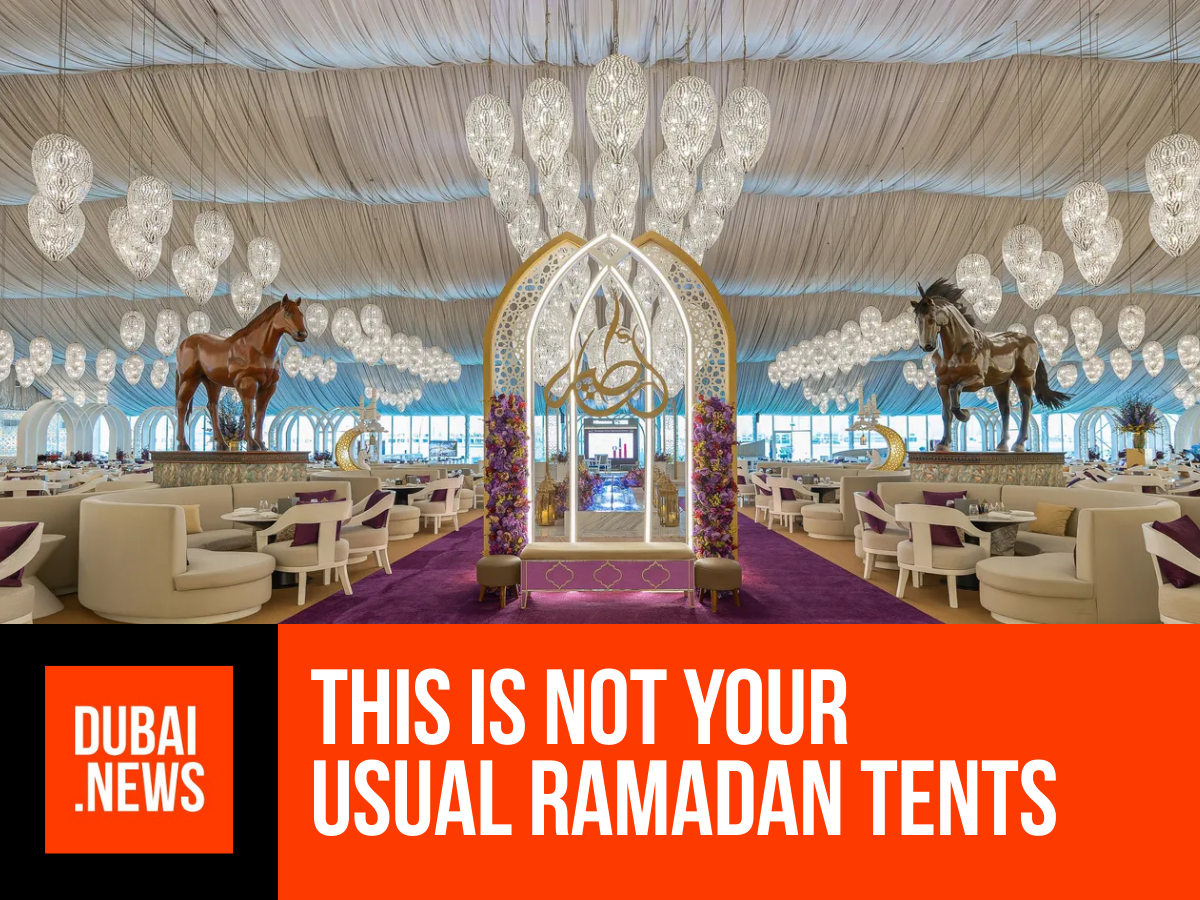
- At One&Only One Za’abeel, the Amassi Ramadan Tent debuted as the region’s first haute couture inspired tent, designed by Selma Benomar with embroidered detailing and ornate finishes.
- As the tradition spread through the Gulf, hotels and event organizers adopted the tent concept for seasonal dining.
Dubai Ramadan tents are having a major cultural moment. What began centuries ago as simple Egyptian condolence tents known as saradek has grown into one of the most talked about hospitality traditions during the holy month. Today, these tents host nightly Iftar at sunset and Suhoor deep into the evening, with curated décor, live music, heritage dishes, and hotel level service.
The glow up has sparked conversation. Some praise the elevated dining scene. Others question how commercial the season has become. Either way, Ramadan tents now sit at the heart of the UAE’s Ramadan experience.

Image: oneandonlyresorts/Website
From Egyptian Saradek to Seasonal Hospitality
The story starts in Egypt. Historically, saradek were temporary tents set up to receive mourners and offer condolences. Over time, the format expanded into communal spaces for gatherings and meals during Ramadan.
As the tradition spread through the Gulf, hotels and event organizers adopted the tent concept for seasonal dining. The expansion into luxury hospitality has prompted debate. Some conservative voices describe highly commercialized tents as bid’ah, referring to religious innovation that departs from early practice.
Despite the criticism, the cultural relevance remains clear. Ramadan tents continue to serve as gathering spaces for shared meals, conversation, and reflection after fasting hours.
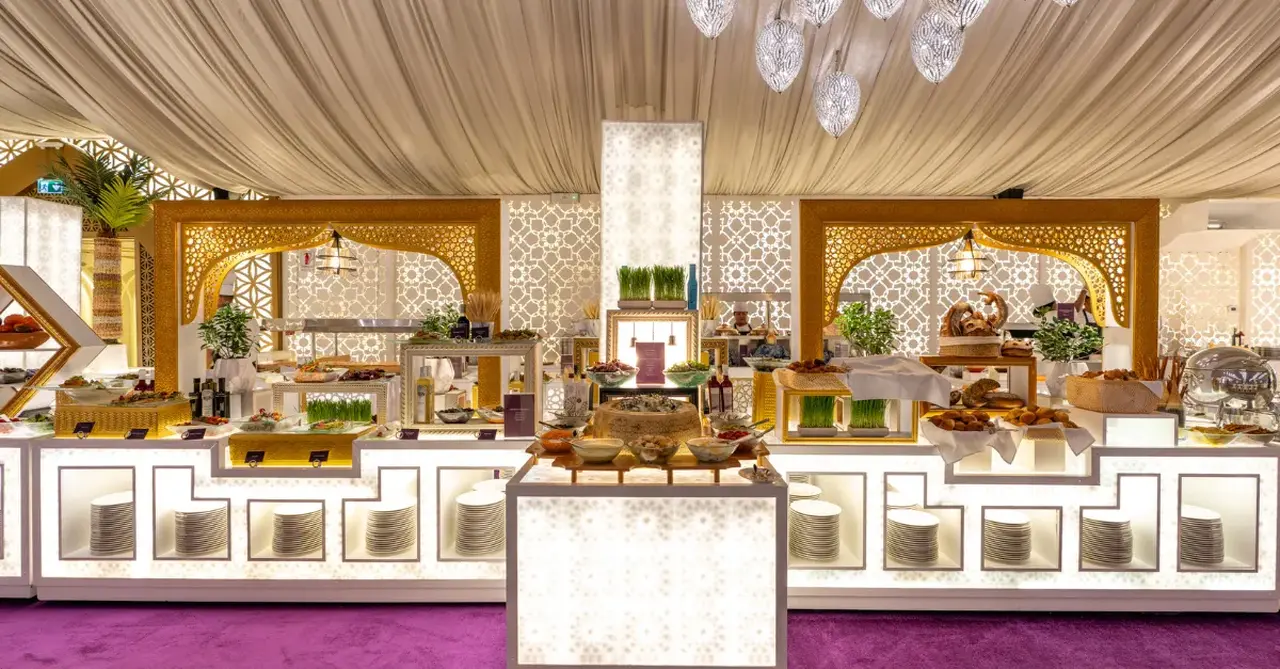
Image: atlantis/Website
Inside Dubai’s Luxury Hotel Ramadan Tents
Dubai’s hotel scene has fully embraced the Ramadan tent calendar.
At Burj Al Arab, Al Diwan marked the property’s first dedicated Ramadan tent, offering Iftar and Suhoor with live entertainment continuing until 2:00 AM on weekends.
At One&Only One Za’abeel, the Amassi Ramadan Tent debuted as the region’s first haute couture inspired tent, designed by Selma Benomar with embroidered detailing and ornate finishes.
Atlantis The Palm presents the well known Asateer Tent, a majlis style venue that welcomes large gatherings and includes exclusive VIP areas alongside themed culinary evenings.
At Mandarin Oriental Jumeira, the Ramadan setting highlights Emirati art at the entrance and serves traditional desserts including luqaimat recipes passed through generations.
In Abu Dhabi, Emirates Palace Mandarin Oriental hosts seasonal Ramadan dining and has introduced sustainability measures, diverting food waste to composting facilities and redistributing untouched meals
to the community.
Suhoor service at many hotel tents extends late into the night. Guests gather for card games, shisha, live Arab music, and classic Ramadan drinks such as Vimto and karak tea, paired with staples like harees and thareed.

Image: mandarinoriental/Website
The Commercial Debate
As Dubai Ramadan tents grow in visibility, criticism follows. Public commentary has described certain corporate sponsored tents as materialistic, arguing that high pricing and brand presence contrast with the spiritual focus of Ramadan. Entrance fees at premium hotels position these venues within luxury hospitality. At the same time, reservations remain strong, with many residents and visitors seeking open air social spaces during cooler evenings after fasting hours. The conversation continues, but the demand remains clear.

Image: Jumeirah Burj Al Arab/Facebook
Charity Tents and Community Iftar
Luxury experiences represent one side of the season. Community driven tents continue throughout the UAE.
The Emirates Red Crescent runs seasonal Iftar Saem initiatives, setting up sponsored Ramadan tents to provide free meals to those in need. Mosques and local organizations also host open tents welcoming
anyone seeking a place to break their fast.
These gatherings preserve the charitable spirit that has long defined Ramadan in the region.
Dubai Ramadan tents now span a wide spectrum, from couture hotel majlis to community funded Iftar spaces. The tradition has evolved significantly from its Egyptian origins, yet its core purpose remains centered on gathering for food, connection, and shared faith during the holy month.
Luxury hospitality, public debate, and charitable service all coexist under the same canvas. And as Ramadan continues, these tents remain one of the defining experiences of the season in the UAE.
