



Dubai’s food infrastructure is set for a major transformation as the Dubai Food District prepares to more than double the size of the existing Al Aweer Fruits and Vegetables Market. The expansion comes as demand for ready-to-eat and pre-processed produce continues to rise among UAE residents.
Industry leaders say faster lifestyles, population growth, and changing consumer habits are reshaping how fresh food is traded, processed, and distributed across the emirate.
Rising Demand for Ready-to-Eat Fruits and Vegetables
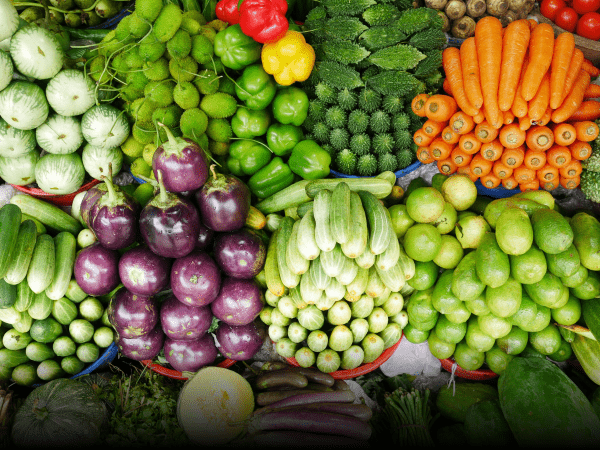
As daily routines become increasingly fast-paced, retailers are seeing a sharp rise in demand for pre-packed, pre-cut, and ready-to-eat produce.
Retailers are actively requesting facilities that support value-added food processing, prompting traders to shift how fresh fruits and vegetables are prepared and presented. Health-conscious consumers, particularly younger generations, are also influencing this change by seeking convenient but nutritious food options.
Snack-sized produce, such as ready-to-eat vegetables, is becoming increasingly popular as an alternative to traditional processed snacks.
Existing Food Markets Under Pressure
Dubai’s traditional food markets are now operating beyond what they were originally designed to handle.
Rapid population growth, tourism expansion, and rising consumption levels have placed mounting pressure on infrastructure that dates back more than two decades. Industry leaders say the scale of demand today has exceeded all earlier projections.
This growing gap between demand and capacity led to the launch of the Dubai Food District, a large-scale project designed to modernise and future-proof the emirate’s food trade ecosystem.
Al Aweer Market Expansion to Reach 29 Million Square Feet
The Dubai Food District will expand the existing Al Aweer Fruits and Vegetables Market into neighbouring land that previously housed the auto market.
Once completed, the total size of the market will reach approximately 29 million square feet, more than double its current footprint. The expansion is designed to support modern food trading needs, including processing, packaging, cold storage, and re-export operations.
Growth Across Dubai’s Food Manufacturing Sector
The expansion aligns with broader growth in Dubai’s food and beverage manufacturing sector.
Dubai Industrial City has seen steady increases in food and beverage tenants, with the number of manufacturers growing by 15 per cent between 2024 and 2025, reaching around 150 companies. High occupancy levels and strategic proximity to major transport hubs continue to support export-focused growth.
Companies are increasingly using Dubai as a base to access international markets, supported by trade agreements that lower export costs and improve global reach.
Dubai Food District to Become Integrated Food Ecosystem
Rather than functioning as a standalone produce market, the Dubai Food District aims to become a fully integrated food ecosystem.
Plans include enabling markets for:
-
Fruits and vegetables
-
Meat and dairy
-
Pulses and essential food staples
The district will also provide access to logistics services such as cold-chain solutions, re-export facilities, and trade finance, allowing small and medium-sized traders to scale their operations locally, regionally, and internationally.
Cold Storage and Re-Export Facilities in High Demand
One of the strongest trends driving the expansion is demand for value-added infrastructure.
Traders are increasingly seeking:
-
Additional cold storage capacity
-
Facilities for pre-processing and packaging
-
Re-export consolidation hubs for GCC and global distribution
These services are becoming essential as Dubai strengthens its role as a regional and global food trading hub.
Cover Image: Government of Dubai Media Office/Website