



Listen to this article with AI
What To Know
- The capital has positioned art, heritage, and science at the center of public life through a growing group of museums located mainly on Saadiyat Island.
- Among the archaeological pieces, the Stele with Three Dedications from the Late Hellenistic period, originating in ancient Didyma in present-day Türkiye, offers insight into religious life and artistic practice of its era.
- Nearby, the Zayed National Museum presents the life and values of Sheikh Zayed bin Sultan Al Nahyan, founder of the United Arab Emirates.
Louvre Abu Dhabi, Zayed National Museum, and Guggenheim plans redefine the region
Abu Dhabi continues to gain serious attention for culture, museums, and large-scale institutions that now drive regional conversation, including in Dubai. The capital has positioned art, heritage, and science at the center of public life through a growing group of museums located mainly on Saadiyat Island. These venues focus on history, creativity, national identity, and scientific knowledge through permanent collections and rotating exhibitions. Visitors, collectors, curators, and cultural travelers increasingly view Abu Dhabi as a key stop within the Gulf’s cultural calendar, with global names and long-term plans shaping what comes next.
Louvre Abu Dhabi Sets the Cultural Pace
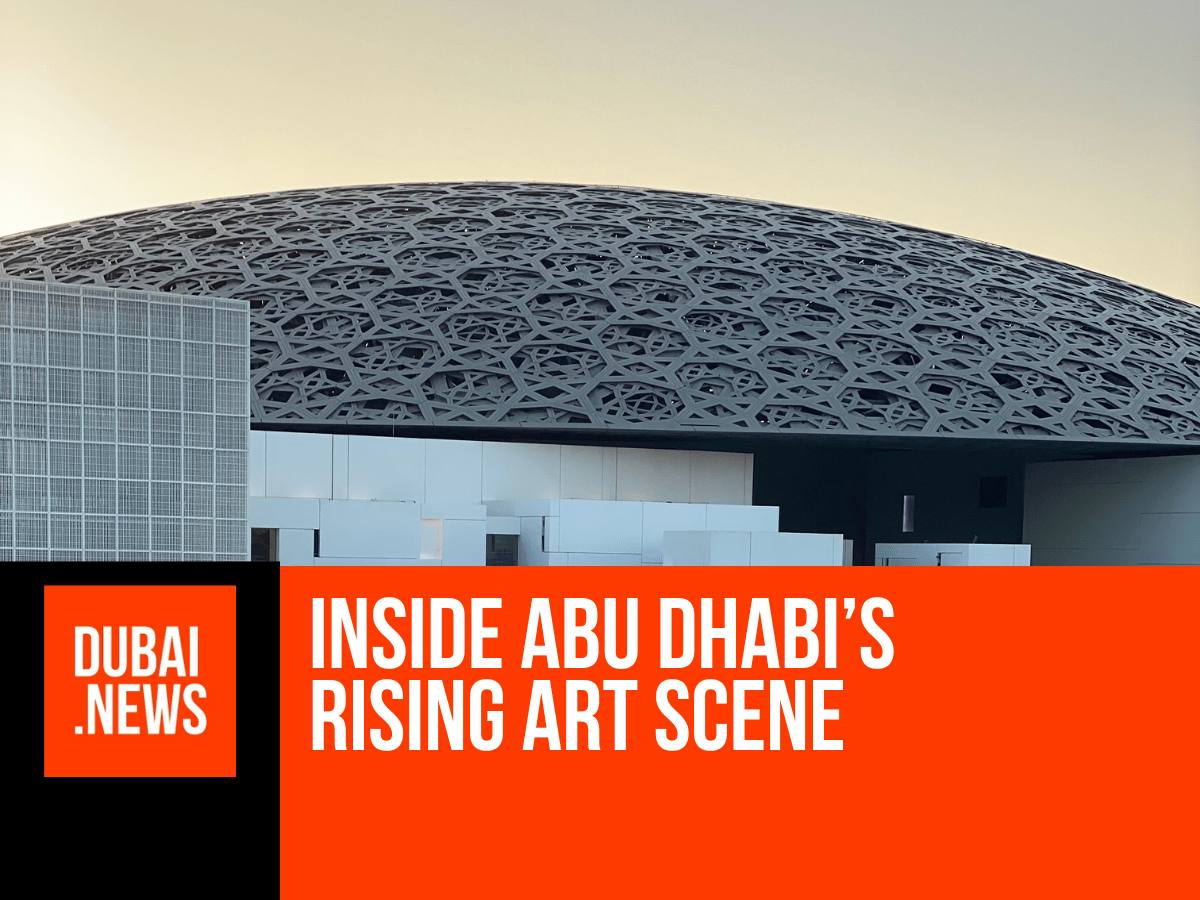
The Louvre Abu Dhabi remains the most internationally recognized museum in the city. Designed by Jean Nouvel, the building features a vast geometric dome that filters sunlight through layered patterns, creating shifting light inside the galleries throughout the day. The museum presents works spanning ancient civilizations, Islamic history, and modern art within a single narrative structure.
Key works include Leonardo da Vinci’s La Belle Ferronnière alongside Islamic manuscripts and contemporary installations by artists such as Damien Hirst. Among the archaeological pieces, the Stele with Three Dedications from the Late Hellenistic period, originating in ancient Didyma in present-day Türkiye, offers insight into religious life and artistic practice of its era. The object features detailed inscriptions and carved reliefs that remain central to the museum’s historical presentation.
Zayed National Museum Focuses on National Identity
Nearby, the Zayed National Museum presents the life and values of Sheikh Zayed bin Sultan Al Nahyan, founder of the United Arab Emirates. The structure, designed by Foster + Partners, features a falcon-inspired form that references heritage and leadership.
Inside, exhibitions guide visitors through the UAE’s historical development using photographs, documents, interactive displays, and cultural artifacts. The museum places strong attention on sustainability, social unity, and governance principles associated with Sheikh Zayed. The presentation maintains a factual, educational approach while offering an accessible experience for international visitors.
Saadiyat Island Expands the Museum Lineup
Cultural activity continues at Manarat Al Saadiyat, which hosts contemporary and experimental exhibitions by regional and international artists. The venue functions as an exhibition and event space, frequently supporting art fairs, talks, and temporary shows.
The recently opened Natural History Museum Abu Dhabi adds a science-focused destination to the district. Its galleries present natural history and scientific discovery through immersive displays designed for general audiences, schools, and families.
Guggenheim Abu Dhabi Draws Global Attention
Plans are already in motion for the Guggenheim Abu Dhabi, scheduled to open in 2027. Designed by Frank Gehry, the museum will focus on contemporary art through exhibitions and public programs. Its arrival is expected to strengthen Abu Dhabi’s presence within international art circuits while influencing cultural dialogue throughout the UAE, including Dubai.
Together, these institutions define Abu Dhabi’s role as a cultural hub driven by art, heritage, and knowledge. With established museums already active and major openings ahead, the capital continues to attract global interest while shaping regional cultural conversations that extend well into Dubai and the wider Gulf.
