



What To Know
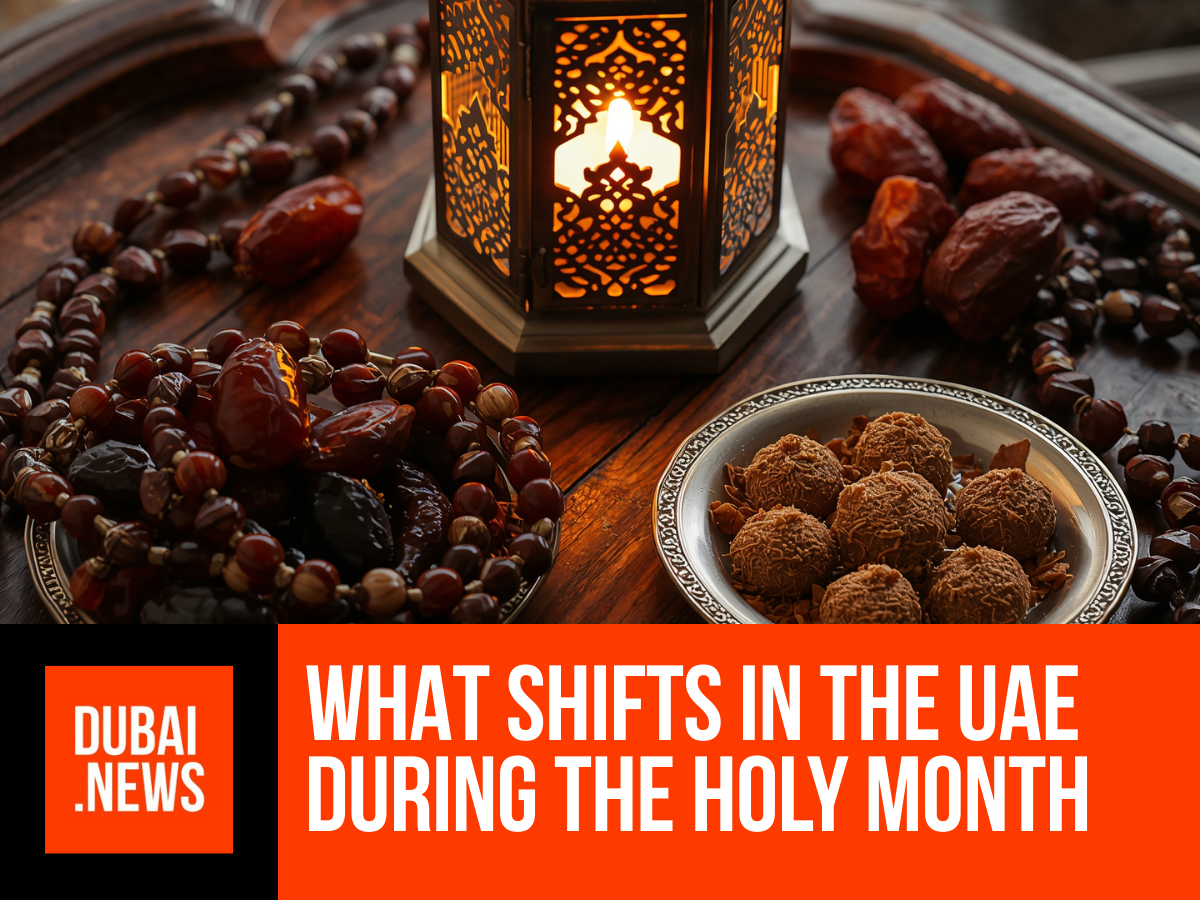
- If it’s your first Ramadan in the UAE, or you simply need a refresher, here’s what shifts across the country during the Holy Month.
- Most cafés and restaurants remain open during the day, particularly in malls and hotels, but dining is typically indoors or in screened areas.
- A little awareness and planning go a long way in helping you navigate the month smoothly.
If it’s your first Ramadan in the UAE, or you simply need a refresher, here’s what shifts across the country during the Holy Month.
Ramadan is a time of fasting, reflection and community. Life doesn’t stop in the UAE, but daily routines adjust. From working hours to dining rules and nightlife, here’s what to expect.
Eating and drinking in public

During fasting hours, from sunrise to sunset, eating, drinking and chewing gum in public should be avoided.
Most cafés and restaurants remain open during the day, particularly in malls and hotels, but dining is typically indoors or in screened areas. Delivery services continue as usual.
At sunset, the atmosphere changes. Iftar, the meal to break the fast, is a central moment. Restaurants fill quickly, roads get busier just before Maghrib, and the city becomes more social once the sun goes down.
Shorter working hours
Under UAE labour law, working hours are reduced by two hours per day for all employees during Ramadan, regardless of religion.
If your normal schedule is 9am to 6pm, it may shift to 9am to 4pm. Government departments also operate shorter hours, often from around 9am to 2pm, although timings vary by emirate.
Schools typically shorten their days as well, with many finishing between 1pm and 2pm.
Restaurants operate normally indoors during the day, with iftar service beginning immediately at sunset. Expect a surge in demand between approximately 5.30pm and 7pm.
Dress code expectations

There is no new Ramadan-specific dress code law, but modest clothing is encouraged in public spaces.
While UAE public conduct rules apply year-round, residents and visitors are expected to be particularly mindful during Ramadan. This includes dressing respectfully and being considerate in shared spaces.
Music, nightlife and public behaviour

You may notice music is toned down during the daytime in public venues.
The overall atmosphere is more reflective before sunset. Public displays of affection should always be minimal in the UAE, and extra discretion is encouraged during Ramadan.
After iftar, the city becomes lively again. Ramadan tents, late-night suhoors and family gatherings define much of the social calendar.
Fasting hours
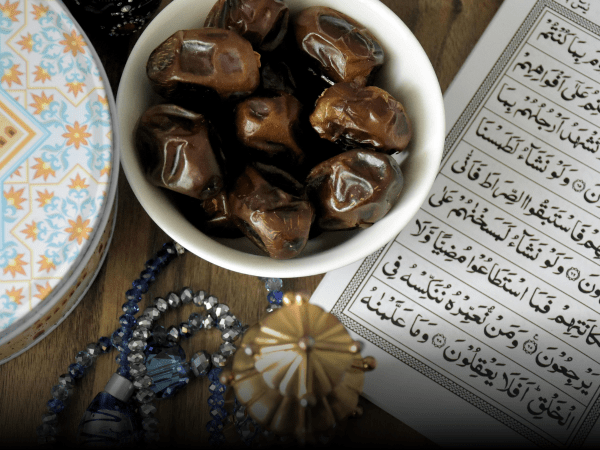
From sunrise to sunset, Muslims fast daily. During this period, no food or drink is consumed by those observing the fast.
In the UAE, fasting typically lasts around 13 to 14 hours per day, depending on sunset times. Maghrib, which marks iftar, usually falls between approximately 6.15pm and 6.40pm at the start of Ramadan, gradually getting later as the month progresses.
Traffic and timing
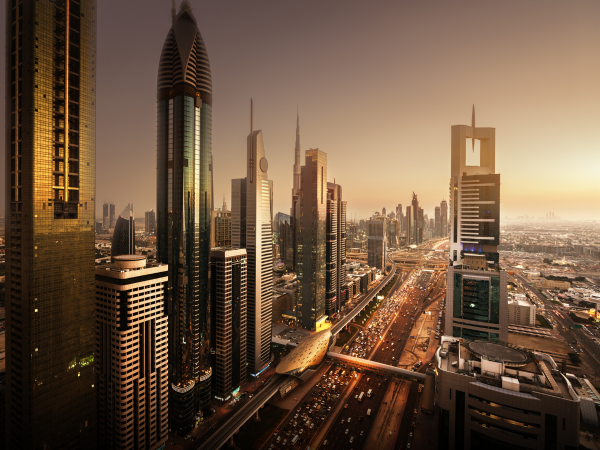
Roads tend to become significantly busier just before sunset as people head home to break their fast. Planning ahead and arriving early is always advisable.
Daily routines shift as well. Gyms, cafés and social venues are often busiest late at night rather than early in the morning.
Ramadan in the UAE is a unique time, blending spiritual reflection with vibrant community life. A little awareness and planning go a long way in helping you navigate the month smoothly.
