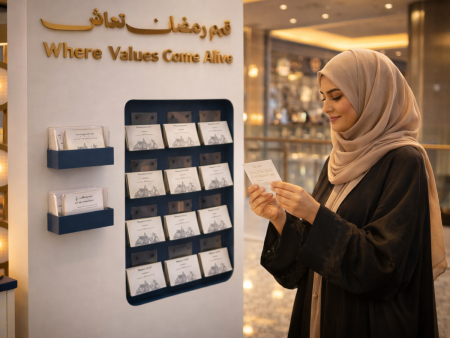





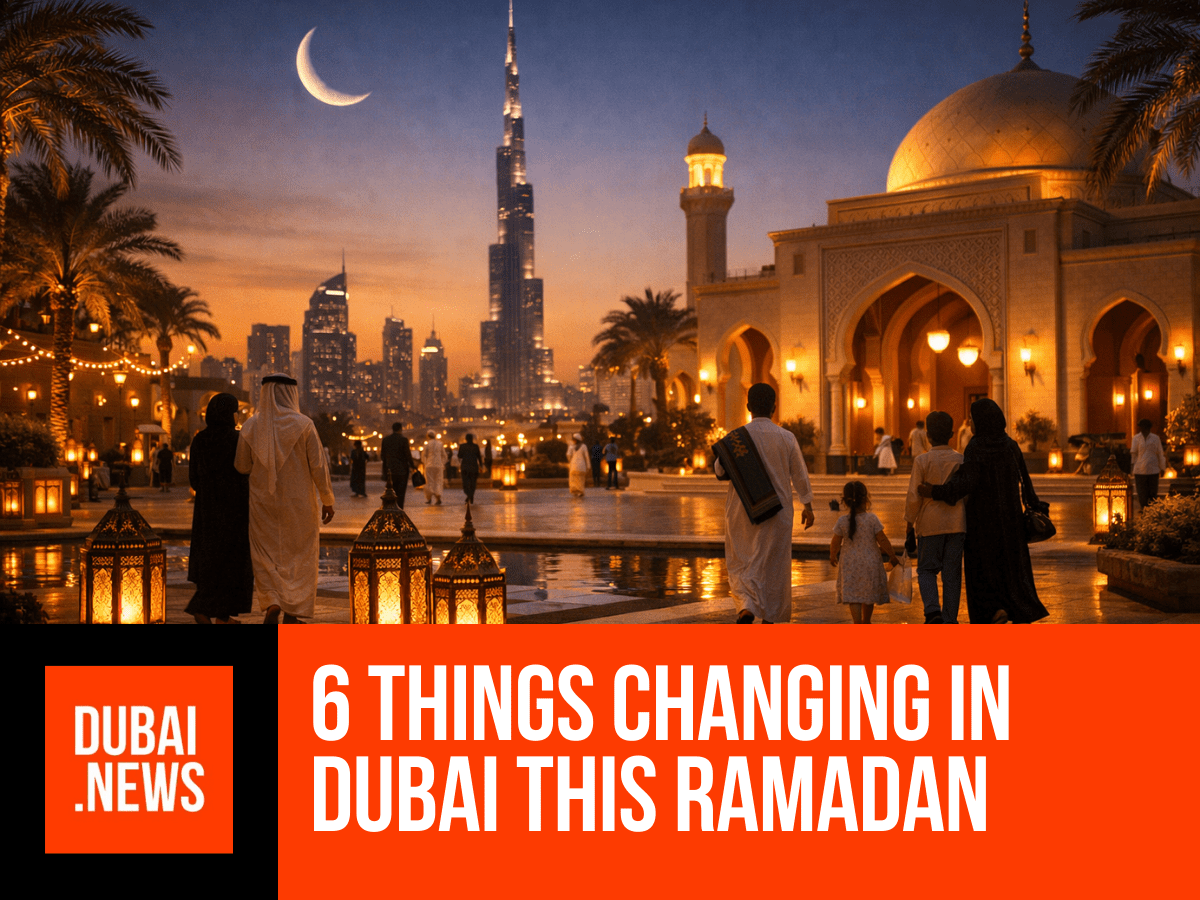
Ramadan is one of the most significant and meaningful months of the year in Dubai, bringing with it a distinctive rhythm that shapes daily life across the emirate. From adjusted working hours to late-night shopping and special dining experiences, the city embraces the Holy Month with thoughtful changes designed to support both residents and visitors.
Ramadan is expected to begin on Thursday, February 19, 2026, according to the Islamic Affairs and Charitable Activities Department, and is likely to last for 30 days, ending on Thursday, March 19.
Whether you are new to Dubai, visiting for the first time, or simply need a refresher, here are six key changes to expect during Ramadan 2026.
1. Public transport schedules will be adjusted

Public transport in Dubai typically runs on modified schedules during Ramadan. While official timings from the Roads and Transport Authority (RTA) have yet to be confirmed, similar arrangements to previous years are expected.
In 2025, Dubai Metro services operated from 5am to midnight from Monday to Thursday and on Saturdays. On Fridays, services ran from 5am to 1am, while Sundays followed 8am to midnight timings. Similar hours are anticipated for 2026.
Metro service frequency is expected to remain unchanged, while bus routes may be slightly adjusted to align with Metro schedules. Dubai Tram services are also likely to continue with their usual operating hours, which in previous years ran from 6am to 1am on weekdays and Saturdays, and 9am to 1am on Sundays.
2. Restaurants will shift focus to iftar and suhoor

Ramadan sees Muslims fasting from dawn until sunset each day. The fast is traditionally broken with iftar, which takes place just after sunset, followed later by suhoor, the pre-dawn meal.
Across Dubai, restaurants, hotels, and purpose-built Ramadan tents transform their offerings during the Holy Month. Iftar menus become a major feature, often beginning with dates, Ramadan juices, and light bites, followed by generous shared meals enjoyed with family and friends.
Many venues also extend late into the night to host suhoor, creating a lively but relaxed evening dining culture throughout the city.
3. Opening hours for malls and attractions will change

During Ramadan, popular attractions across Dubai adjust their operating hours to better suit fasting schedules.
Global Village has already confirmed it will open from 5pm throughout Ramadan. From Sunday to Wednesday, it will close at 1am, while from Thursday to Saturday, it will remain open until 2am.
Shopping malls across Dubai typically extend their opening hours well past midnight during Ramadan, allowing visitors to shop and socialise after iftar. Many destinations also host Ramadan-themed pop-ups and night markets, with locations such as Expo City, Ripe Market, and Jumeirah Emirates Towers expected to feature seasonal activations.
4. Working hours will be reduced
Both public and private sector working hours are adjusted during Ramadan.
In previous years, public sector employees worked reduced hours, typically from 9am to 2.30pm from Monday to Thursday, and from 9am to noon on Fridays. Flexible and remote work arrangements were also permitted.
For the private sector, the Ministry of Human Resources and Emiratisation has previously mandated a two-hour reduction in the working day during Ramadan, with flexibility and remote working options encouraged.
Official announcements confirming 2026 working arrangements are expected ahead of Ramadan.
5. Live music and entertainment will be quieter

Ramadan is a period of reflection and spiritual focus, and public entertainment reflects this tone.
Large-scale concerts and loud performances are generally paused during the month. Live music continues at restaurants and hotels but is played at lower volumes and often features traditional or ambient styles.
Venues are typically advised that live performances should begin after 7.30pm, ensuring they do not coincide with evening prayers.
6. Ramadan etiquette is encouraged across the city

Ramadan places an emphasis on respect, patience, and community, and visitors are encouraged to be mindful of local customs.
Dressing modestly in public spaces, keeping noise levels low, and understanding that some events or schedules may change are all part of observing Ramadan etiquette in Dubai.
While the city remains welcoming and vibrant, the Holy Month offers a chance to experience Dubai at a slower, more reflective pace that brings communities together.