




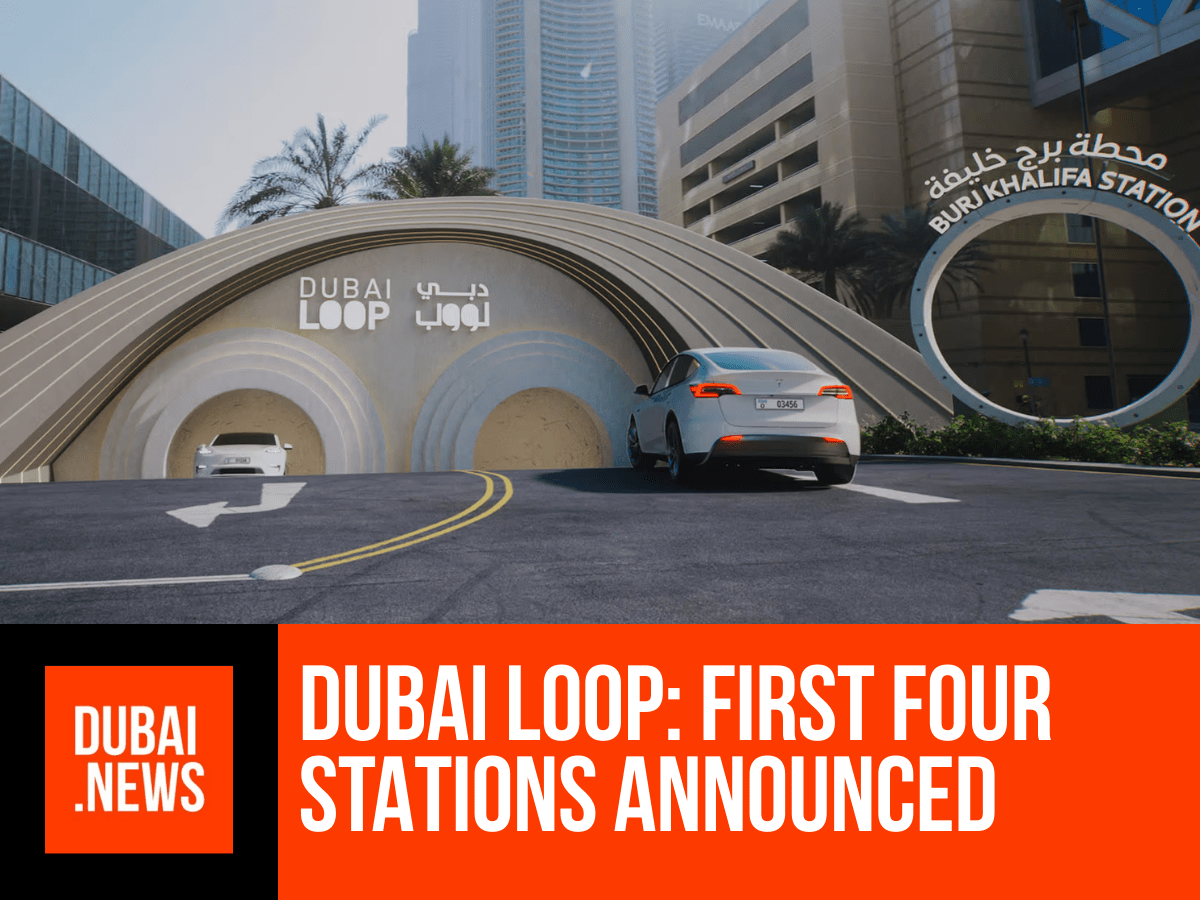
Dubai has unveiled the first four stations of its highly anticipated Dubai Loop, a high-speed underground transport network set to reshape how people move around the city.
According to a video released by the Roads and Transport Authority (RTA), the initial stations will be located at Burj Khalifa, DIFC 2, Zabeel Dubai Mall Parking, and ICD Brookfield Place — placing the first phase of the project at the heart of Dubai’s busiest commercial and tourism districts.
What is the Dubai Loop?
The Dubai Loop is a tunnel-based transportation system inspired by technology pioneered by Elon Musk’s Boring Company. Once operational, Dubai will become the second city in the world after California to implement this underground road network.
Designed to reduce congestion and enable faster point-to-point travel, the system will transport vehicles through dedicated tunnels beneath the city.
Network size and expansion plans
When fully completed, the Dubai Loop network will span 22.2 kilometres and include 19 stations across the city. The tunnels will measure approximately 3.6 metres in diameter, purpose-built to support high-speed underground travel.
The project will be rolled out in phases. While the full network will extend to around 24 kilometres, the first phase will cover roughly 6 kilometres, connecting some of Dubai’s most prominent business and lifestyle hubs.
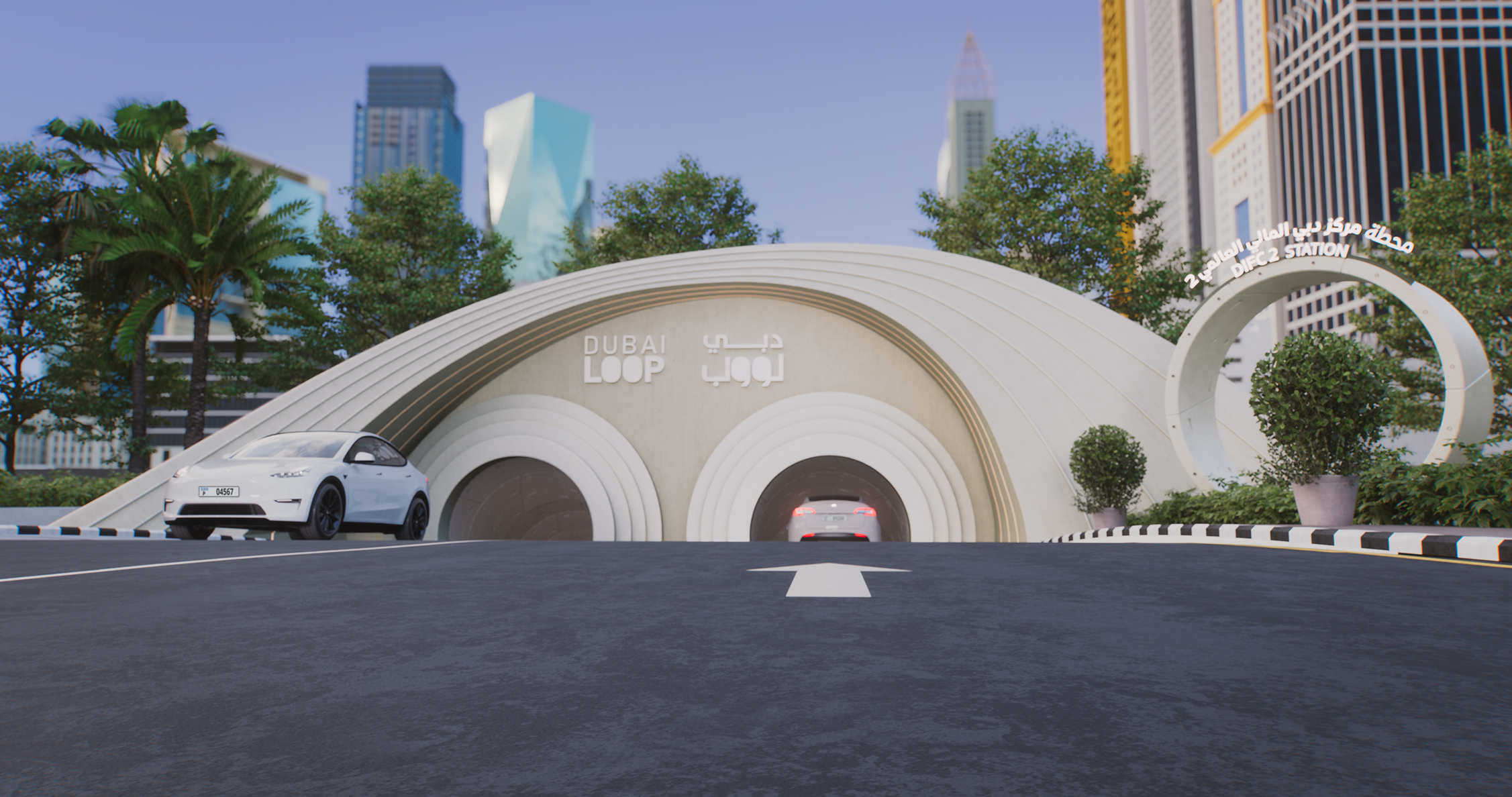
Image: Government of Dubai Media Office/Website
Strategic locations at the core of the city
The choice of the first four stations highlights the project’s focus on high-demand areas:
-
Burj Khalifa – serving Downtown Dubai and one of the world’s busiest tourist zones
-
DIFC 2 – supporting Dubai’s financial district
-
Zabeel Dubai Mall Parking – improving access to one of the region’s largest retail destinations
-
ICD Brookfield Place – linking a major commercial and business hub
These locations are expected to significantly improve connectivity while easing pressure on existing road networks.
A step toward future mobility
The Dubai Loop forms part of the emirate’s broader vision to adopt innovative, sustainable transport solutions and reinforce its reputation as a global leader in smart infrastructure.
As construction progresses and additional stations are announced, the Loop is expected to play a key role in Dubai’s future mobility landscape — offering faster, more efficient travel beneath one of the world’s most dynamic cities.
Cover Image: Government of Dubai Media Office/Website