



Plans in Dubai just took a sharp turn after this surfaced.
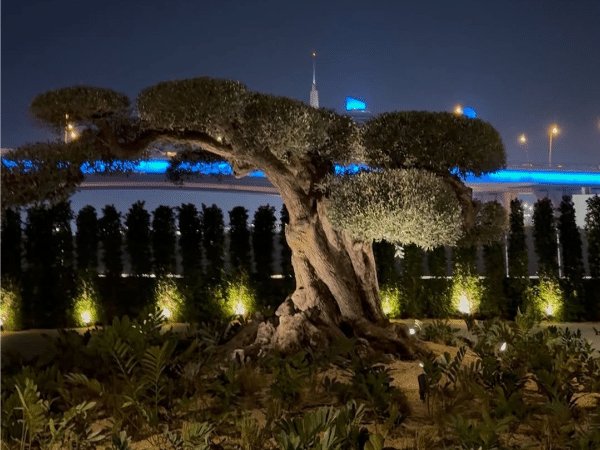
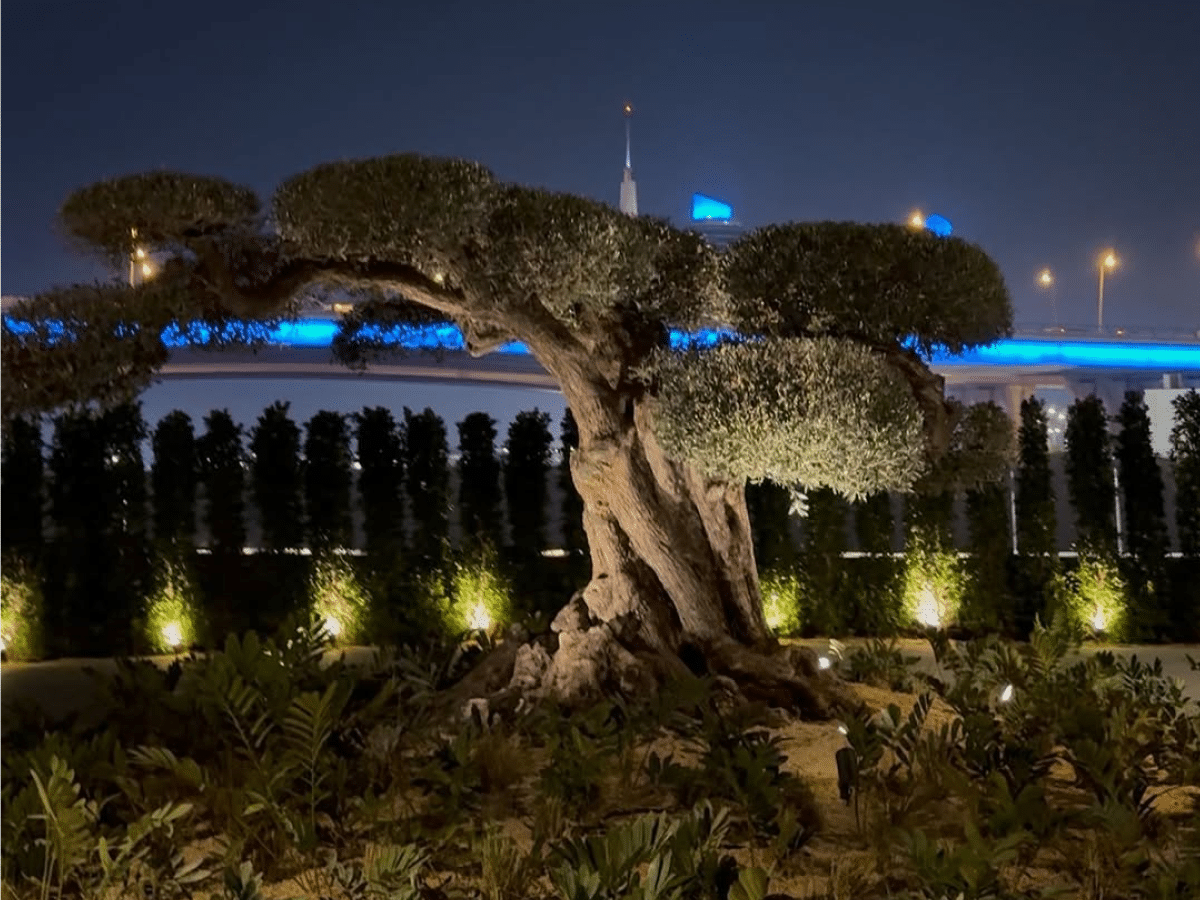
A place in the city is now offering access to olive trees dating back nearly 2,500 years.
What looks like a rare find inside a landscaping space ties into something already happening at a larger level. These trees are part of a growing direction in how outdoor spaces and residential environments are being designed in Dubai.
Ancient olive trees are already in Dubai
The tree seen in the video fits into a wider pattern.
Dubai has already brought in olive trees that date back centuries, with some estimates reaching around 2,500 years. These trees are sourced from Mediterranean regions such as Spain and Italy and are relocated into the UAE for landscaping and residential projects.
They appear in high-end developments where outdoor areas play a central role in the layout. In many cases, these trees are placed within gardens and shared spaces as key visual features.
Some of these trees reach up to AED 1 million
There is a serious investment behind them.
Reports show that certain ancient olive trees in Dubai are valued at up to AED 1 million each. Transporting them requires careful handling to preserve their condition during relocation.
Once placed, they hold a strong visual presence within the space. Developers select them for their age, form, and distinct character that newer landscaping does not offer.
Nature-focused communities are gaining attention
This direction is tied to how newer communities are being planned.
Several luxury developments in Dubai are centered around nature-focused living concepts. Ancient trees are included within shared environments, private gardens, and outdoor areas connected to residential units.
The focus stays on bringing natural elements into everyday surroundings in a more intentional way, with trees like these acting as focal points within the landscape.
Olive trees can live for thousands of years
The age mentioned in the video holds up.
Olive trees are known for their long lifespan, with documented examples ranging between 2,000 and 4,000 years. Some of the oldest recorded olive trees still exist today in Mediterranean regions.
That makes a 2,500-year-old olive tree a realistic possibility, especially when sourced from areas with long agricultural history.
That viral moment around a centuries-old olive tree in Dubai connects to something already happening across the city.
Ancient trees are now part of how certain spaces are being designed, especially in high-end residential environments. They bring age, presence, and a different layer of detail into modern developments.
So when plans suddenly change to check out a place like this, it connects to a wider shift already taking place across Dubai.
Cover Image: @greentrendlandscape/Instagram