

Listen to this article with AI
What To Know
- His texts serve as a reference for students and scholars trying to understand how theatre emerged in the UAE and what distinguishes it from global forms.
- Today, his legacy lives through the artists he trained, the institutions he shaped, and the regional identity he proudly represented on stage.
- He was instrumental in the development of Ras Al Khaimah National Theatre and served in several leadership roles within cultural institutions.
 Introduction
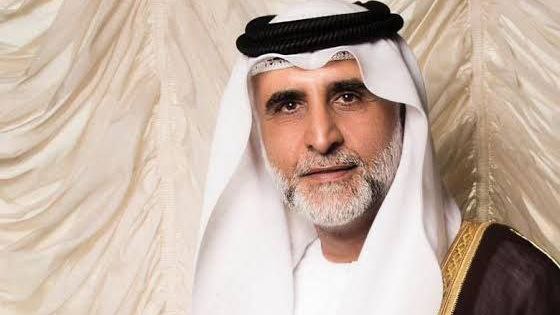
Habib Ghuloom Al Attar stands at the center of the UAE’s cultural evolution. Known as one of the earliest voices of modern Emirati theatre, he built his career as an actor, director, playwright, academic researcher, and advisor shaping the country’s artistic identity. His journey reflects the rise of theatre in the Gulf—from small community stages to national institutions and international festivals.
Early Roots and Education
View this post on Instagram
Born on 19 November 1963 in Ras Al Khaimah, Habib Ghuloom found his passion for acting in school theatre. He pursued formal education to master both craft and theory, earning:
-
a bachelor’s degree in Acting and Directing
-
a master’s degree in Theatre and Directing
-
a PhD in Theatrical Literature
This academic depth allowed him to build a distinctive vision where Emirati identity meets contemporary theatre practices.
Theatre Career and Creative Impact
View this post on Instagram
Habib Ghuloom played a central role in introducing structured theatre to the UAE. He has acted in and directed dozens of productions, exploring themes tied to Gulf identity, family dynamics, heritage stories, and social transformation. His stage presence is known for emotional clarity and storytelling rooted in local culture.
As Emirati cinema gained momentum, he transitioned across mediums—appearing in films that expanded visibility for theatre artists and helped create a bridge between stage and screen.
Cultural Leadership and Mentorship
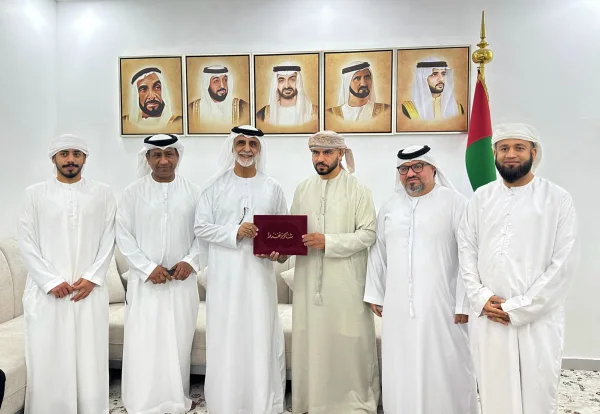
Beyond performance, Habib Ghuloom shaped infrastructure. He was instrumental in the development of Ras Al Khaimah National Theatre and served in several leadership roles within cultural institutions. His mission has always included mentorship—supporting young actors, encouraging experimentation, and organizing workshops and theatre festivals to build a sustainable creative community.
Research and Writing
His contributions extend into academia. Habib Ghuloom has published research on Gulf theatre’s origins, evolution, and cultural impact. His texts serve as a reference for students and scholars trying to understand how theatre emerged in the UAE and what distinguishes it from global forms.
Legacy
Habib Ghuloom’s influence is visible in every chapter of UAE theatre. He helped turn a local artistic movement into a recognized cultural platform. Today, his legacy lives through the artists he trained, the institutions he shaped, and the regional identity he proudly represented on stage